Ravager
Play Ravager
Ravager Screenshots



Ravager review
Master the dragon’s journey, faction systems, and strategic choices in this narrative-driven adventure
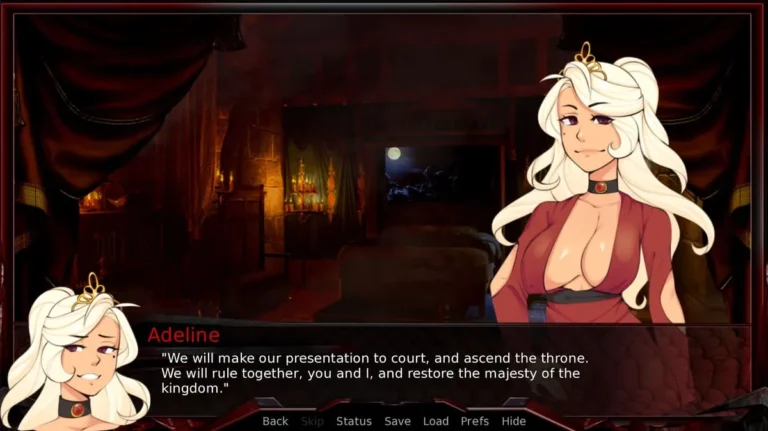
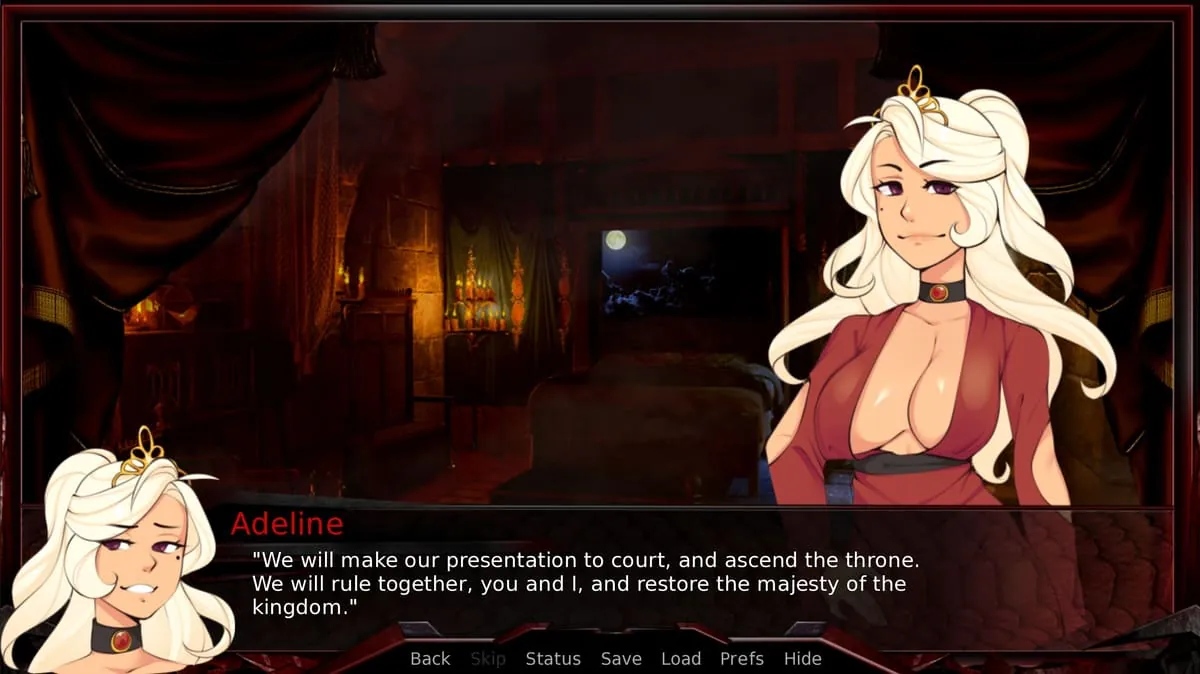
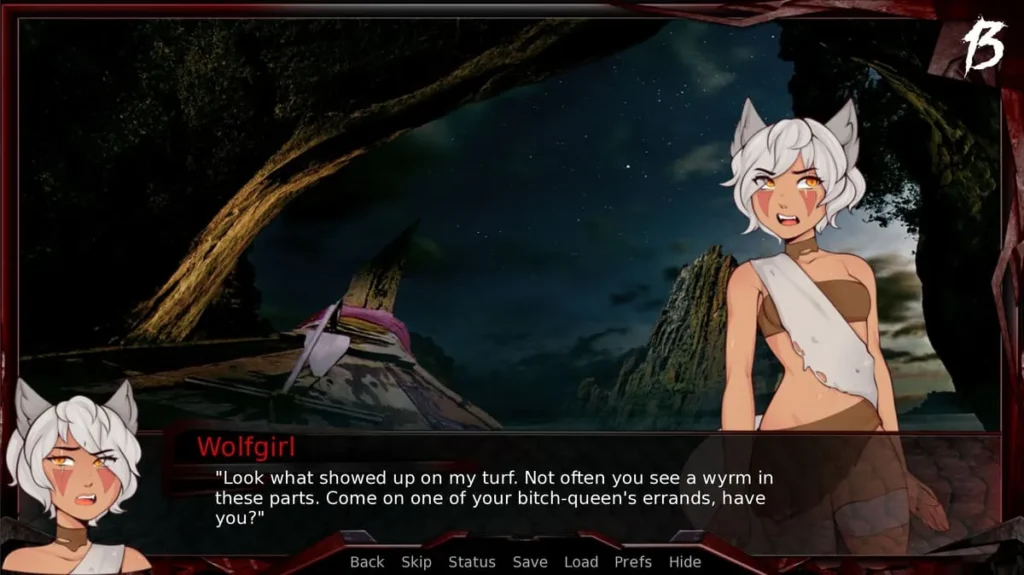
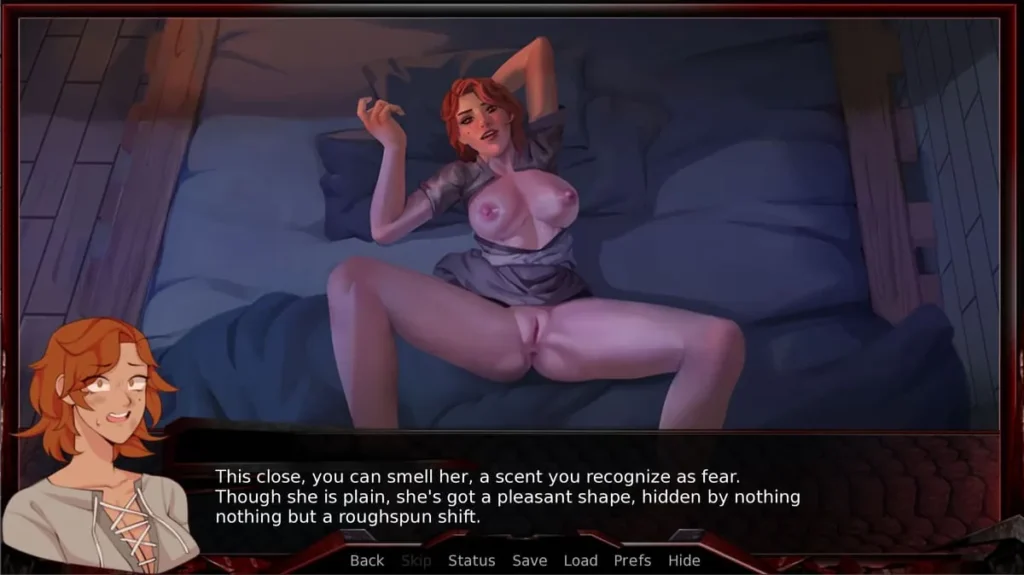
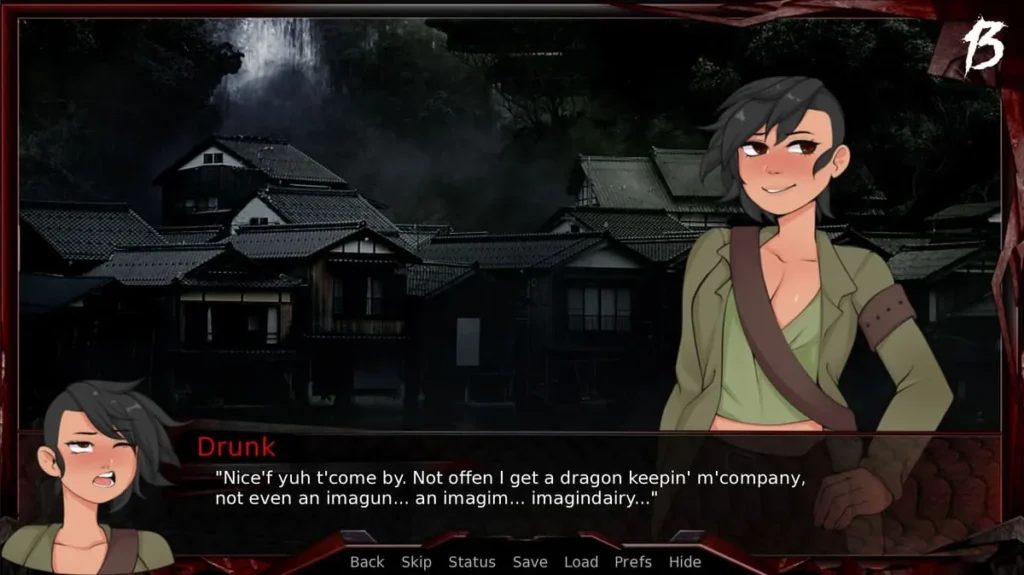
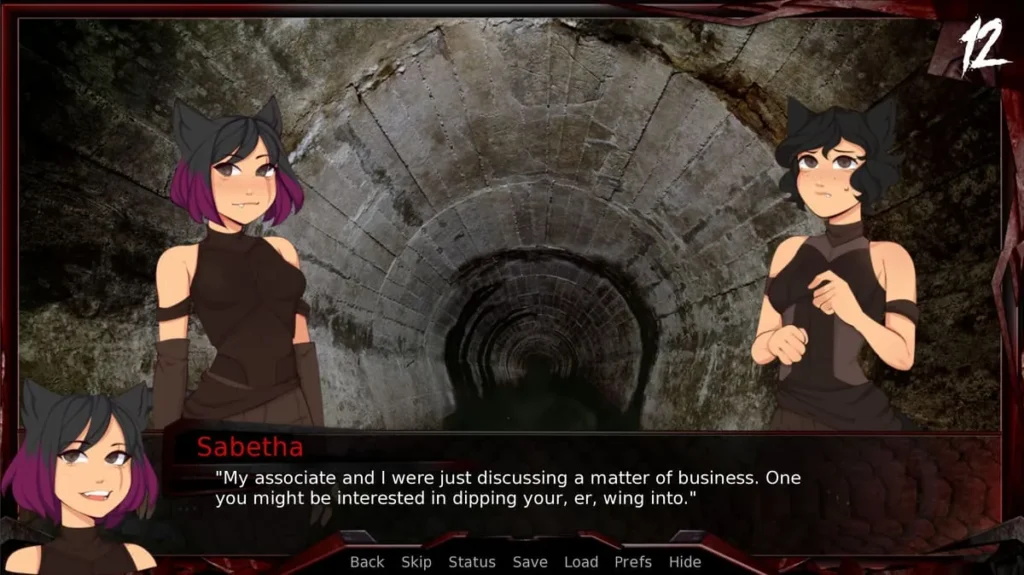
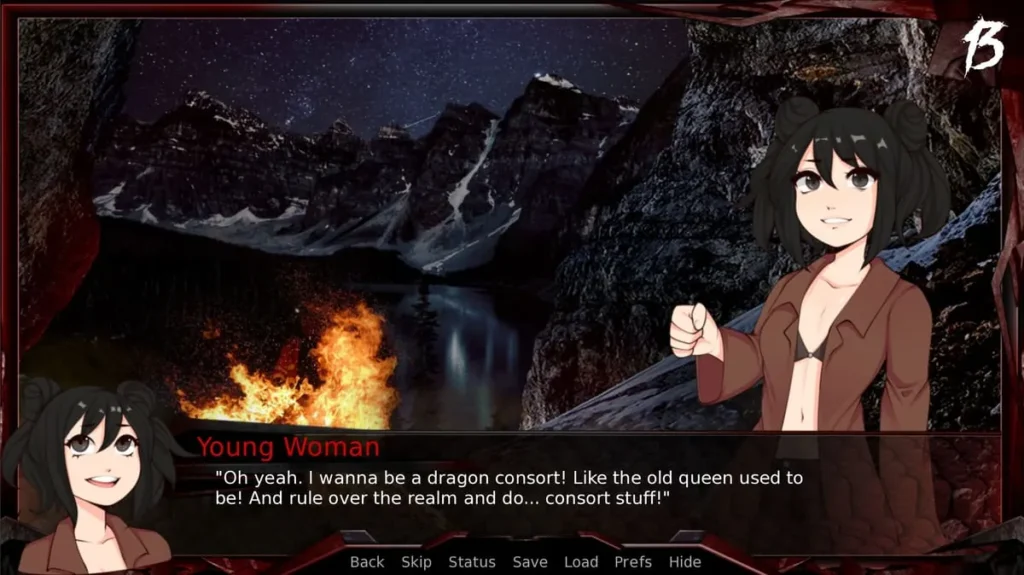
Ravager is a narrative-driven role-playing game where players assume the role of a royal dragon cast from power by an usurper. The core objective involves reconquering the kingdom and reclaiming the throne through strategic gameplay spanning five acts. The game emphasizes player choice and consequence, allowing you to develop your character’s personal code of honor while navigating complex faction relationships and story branches. With multiple endings and branching narratives, your decisions fundamentally shape the gaming experience. This comprehensive guide explores the essential mechanics, character systems, and strategic approaches to maximize your gameplay.
Understanding Core Gameplay Mechanics & Character Development
So, you’ve hatched. 🥚 The world of Ravager spreads before you, a kingdom ripe for the taking… or perhaps for a more nuanced kind of reign. But before you start breathing fire on everything that moves, let’s talk about what really makes this game tick. Forget simple hack-and-slash; Ravager is a deep, narrative-rich experience where every choice, from the grand to the grim, is filtered through the prism of who your dragon chooses to be. Your journey is defined by a masterful blend of Ravager gameplay mechanics that turn every interaction into a meaningful test of character.
This chapter is your field guide to those systems. We’re diving into the core of what makes your dragon more than just a monster: the stats that define them, the choices that shape the world, and the allies (or enemies) you’ll make along the way. Think of this as learning to wield your claws, your wit, and your very reputation as weapons.
Character Attributes and Progression System
Your dragon in Ravager isn’t just a collection of hit points. They are a personality quantified, a moral compass given numerical weight. This is where character attributes progression begins, with six core stats that are far more than just numbers on a sheet. They are the keys to the kingdom, unlocking dialogue options, influencing story paths, and determining how you solve (or create) problems.
Let me tell you, on my first playthrough, I completely misunderstood this. I thought, “I’m a dragon! Max out Strength and Potency, right?” 🐉💪 Wrong. I tried to bully my way through a delicate negotiation with some forest sprites and ended up starting a war I was not prepared for because my Charm was in the gutter. These stats aren’t about being “good” or “bad”—they’re about being effective in the way you choose to role-play.
Every challenge you face, from intimidating a guard to sparing a defeated foe, is a check against one of these attributes. Succeed, and you proceed on your chosen path. Fail, and something interesting happens: you learn. The game’s brilliant decision consequence system even rewards failure by granting a small, permanent boost to the stat you failed. This encourages you to try different approaches and truly grow your character, rather than save-scumming until you roll a success.
Here’s a breakdown of your Ravager character stats and what they truly represent:
| Attribute | Primary Function | Gameplay Influence |
|---|---|---|
| Strength | Physical power, intimidation, and dominance. | Unlocks brute-force solutions, allows you to break objects or enemies, and earns fear-based respect. |
| Charm | Persuasion, deception, and social grace. | Opens diplomatic paths, lets you lie convincingly, barter for better deals, and build alliances through wit. |
| Cruelty | A willingness to inflict pain and suffering for gain. | Enables terrifying torture options, ruthless betrayals, and actions that sow fear and despair for strategic advantage. |
| Mercy | Compassion, honor, and the capacity for restraint. | Allows for sparing lives, granting honorable terms, and building a reputation as a just (if fearsome) ruler. |
| Potency | Magical power and draconic essence. | Fuels your breath weapon and magical abilities, helps in deciphering ancient magic, and influences mystical creatures. |
| Wounds | Your health and physical resilience. | Determines how much punishment you can take in combat. Managing Wounds is crucial, as reaching zero doesn’t always mean death—it might mean a captured dragon facing new, dire choices. |
Your progression is organic. You don’t pick a “class” at the start; you build your dragon’s legend through action. Every choice that aligns with a stat reinforces it. Show Mercy repeatedly, and your capacity for it grows. Embrace Cruelty, and it becomes a sharper tool. This creates a beautifully responsive character attributes progression system where your playstyle naturally crafts a unique protagonist.
Decision-Making Framework and Consequence System
This is the heart and soul of Ravager. The game presents you with a staggering array of branching narrative choices, but unlike many games where choices are just illusion, here they have teeth. Every decision ripples outward, often in ways you won’t see until hours later. The game is structured in a five-act drama, and choices in Act I can fundamentally alter the political landscape in Act IV.
The framework is elegant. You are presented with a scenario—say, a captured knight pleading for his life. The game then presents you with multiple options, each tagged with the attribute required. You might see:
* [Strength] Rip his armor off and send him back naked as a warning.
* [Charm] Convince him he’d be better off serving you as a spy.
* [Cruelty] Make an example of him for your other prisoners.
* [Mercy] Accept his oath of fealty and release him.
You pick one, the game makes a hidden check against your relevant stat, and the story branches. But here’s the magic: there is rarely a single “correct” choice. The “best” outcome is the one that fits your dragon’s evolving personality. This decision consequence system ensures you are always role-playing, not just hunting for optimal rewards.
Pro Tip: Don’t be afraid to fail a check! That +1 to the stat is a permanent investment in your dragon’s growth. Sometimes, the most interesting stories come from unintended consequences.
Let’s walk through a classic example: the confrontation with Regent Balthorne early in the game. You’re cornered in the castle, and you need an escape. How you handle him showcases the entire Ravager gameplay mechanics philosophy in one scene.
- If your Strength is high: You can choose to physically overpower him and his guards, smashing through a stone wall to make a dramatic, violent exit. This establishes you as an unstoppable force and terrifies the local garrison.
- If your Charm is high: You can engage him in a verbal duel, mocking his authority and tricking him into revealing a secret passage used for his own illicit affairs. You escape unseen, leaving him humiliated and politically vulnerable.
- If your Cruelty is high: You might not even want to escape immediately. You could choose to torture him for information about the kingdom’s defenses, then use him as a hostage to walk out the front gate, permanently breaking his spirit in front of his own men.
- If your Mercy/Potency are high: Perhaps you appeal to a lingering sense of honor he once had, or use your draconic essence to cloud his mind, allowing you to slip away without further bloodshed. This might leave a door open for a very different interaction with him later.
Each path leads to a different escape route, alters Balthorne’s status for the rest of the game, and changes how certain factions initially perceive you. This is branching narrative choices at their finest—a single scene with four+ completely different outcomes and long-term echoes. Your stats don’t just give you options; they define the very genre of the story you’re telling, from a brutal conquest saga to a cunning political thriller.
Faction Relationships and Alliance Building
You are not alone in this world, even if you’re the only dragon. The land is divided among powerful groups, each with their own goals, fears, and secrets. Your faction relationships are a currency as valuable as gold and more powerful than fire. Managing these alliances is a core strategic pillar of the game.
The major factions—the pious Paladins of the Silver Flame, the shadowy Fisher-Kings, the rebellious Commoner folk, and the mystical Forest-dwellers—all view you through a lens of their own interests. 🏰🌳🐟 Your actions are constantly being watched and judged. Slaughter a village of commoners, and the Fisher-Kings might see you as a useful weapon of chaos, while the Paladins will swear holy vengeance. Spare a Paladin patrol out of Mercy, and the common folk might begin to whisper that you’re not the mindless beast the Regent says you are.
Building these relationships isn’t just about picking a side. It’s a constant dance. You improve standing by completing quests for a faction, making choices that align with their values, or offering them unique resources found during your lair base operations. For example, gifting rare relics from your hoard to the Fisher-Kings can buy their neutrality, if not their friendship.
But beware: gaining favor with one group often means losing it with another. The Paladins despise the “heretical” Fisher-Kings. Helping one is an implicit slight against the other. This forces you to make hard strategic choices. Do you want the Paladins’ military might as a blunt instrument, or the Fisher-Kings’ network of spies and assassins?
These faction relationships unlock exclusive quests, provide unique allies in key battles, and can even determine who, if anyone, stands with you during the game’s climactic moments. On one playthrough, I had so deeply offended every faction that my final showdown was a desperate battle against everyone. On another, by carefully playing factions against each other and honoring my deals, I entered the endgame with a coalition at my back. The difference in experience was profound.
This all ties back into your lair base operations. Your hoard isn’t just for gloating over; it’s a diplomatic and strategic tool. The treasures and prisoners you collect can be used as bargaining chips. Inviting a faction emissary to your lair for talks can drastically shift their perception of you. Your lair is your sanctuary, but it’s also your throne room and war room—the nexus where your personal power and your political faction relationships converge.
Mastering these three interconnected systems—your character’s soul, the weight of your choices, and the web of alliances—is what transforms you from a mere beast into a legend. Ravager doesn’t ask you to save the world or destroy it. It asks you to define your place within it, one deliberate, consequential choice at a time. Your code of honor, whether brutal or benevolent, is the truest stat of all.
Ravager offers a rich sandbox experience where your choices genuinely matter and shape your journey from a dethroned dragon seeking vengeance to a ruler reclaiming power. The game’s strength lies in its interconnected systems—character attributes influence available choices, decisions have lasting consequences, and the horde and captive systems provide strategic depth beyond the main narrative. Whether you approach the game as a merciful leader, a cunning strategist, or a ruthless conqueror, the five-act structure accommodates diverse playstyles and rewards experimentation. By understanding the core mechanics, managing your lair effectively, and making deliberate choices aligned with your character’s code of honor, you’ll unlock multiple endings and discover the full depth of what Ravager offers. The game’s emphasis on player agency and consequence creates a uniquely personal gaming experience where your decisions define not just the story, but your character’s identity.