Fashion Business
Play Fashion Business
Fashion Business Screenshots




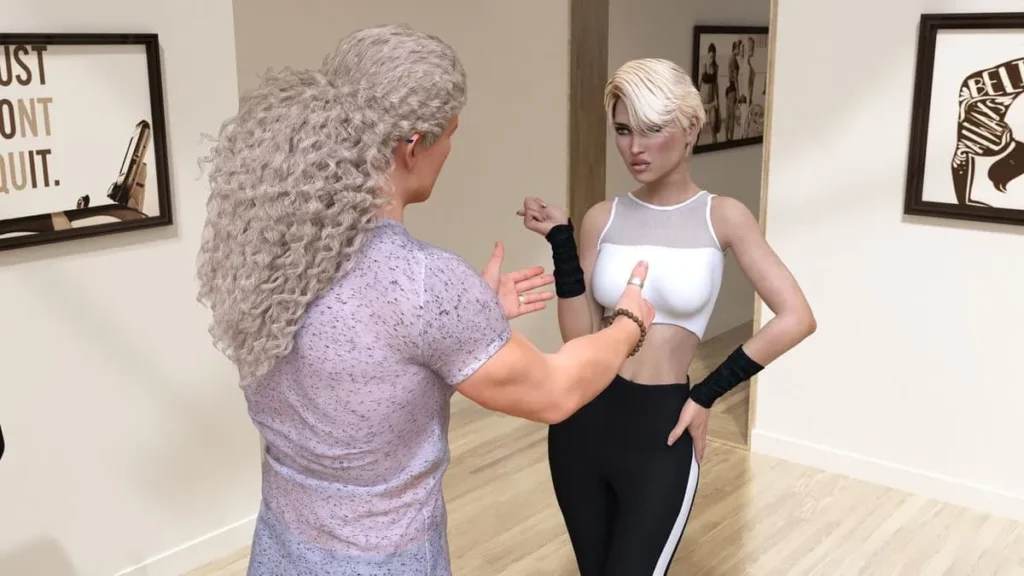



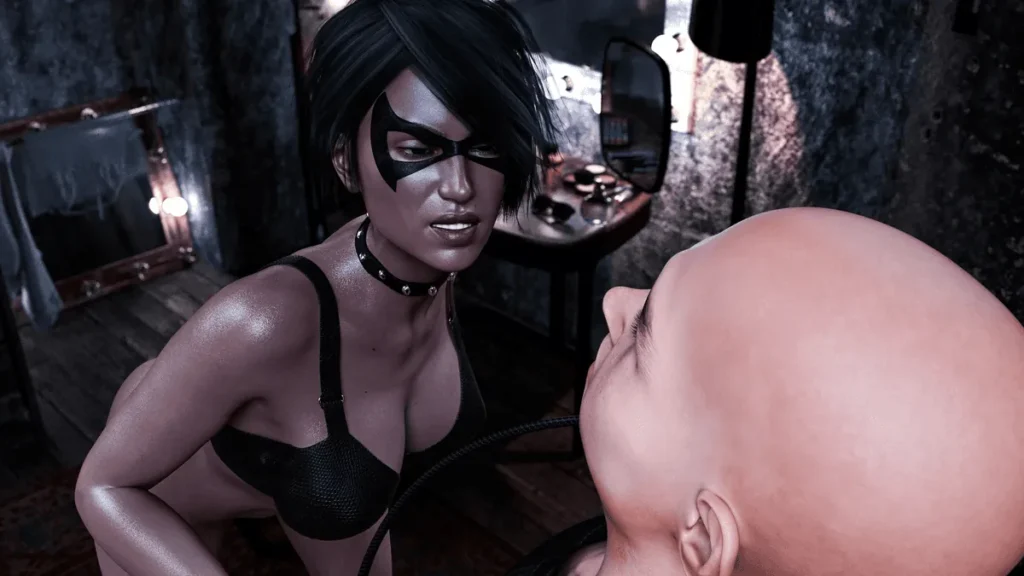



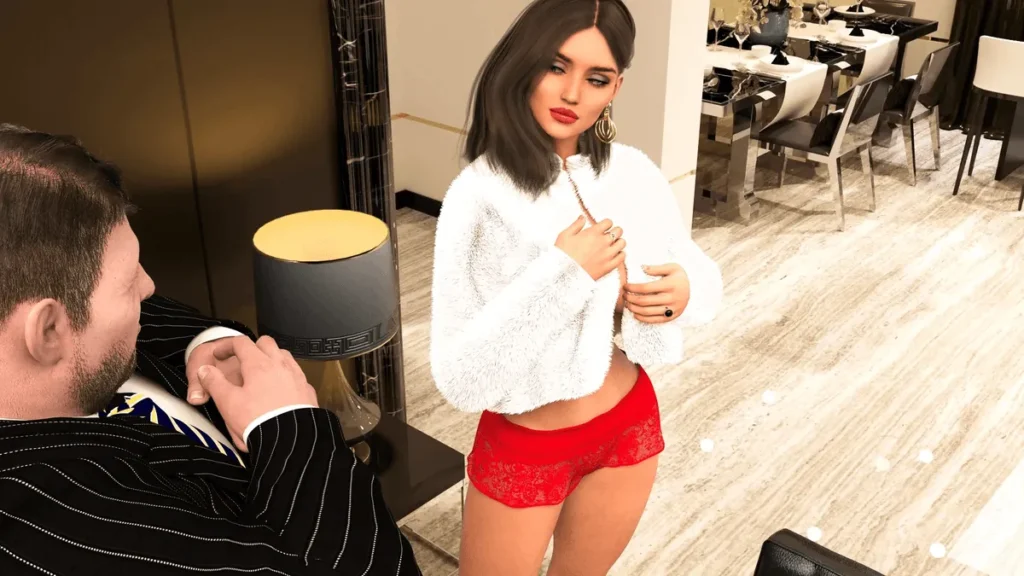



Fashion Business review
Master the mechanics, storyline, and strategic elements of this narrative-driven simulation
Fashion Business is a story-driven simulation game that combines entrepreneurial strategy with character-driven narrative elements. Players take on the role of Monica, a fashion industry professional navigating complex business decisions and personal challenges. The game features high-quality graphics, multiple gameplay paths, and branching storylines that respond to player choices. Whether you’re interested in the business simulation aspects, character development, or narrative depth, this guide covers everything you need to know about gameplay mechanics, strategic approaches, and the various paths available throughout the game.
Understanding Fashion Business Game Mechanics and Core Gameplay
Ever feel like you’re juggling flaming torches while walking a tightrope? That’s the thrilling, all-consuming sensation at the heart of the Fashion Business game mechanics. This isn’t just a pretty dress-up game; it’s a deep, narrative-driven business simulation gameplay experience where every choice, from your morning latte to a multi-million dollar licensing deal, ripples through your empire. You step into the designer heels of Monica, an aspiring mogul, and your mission is to build a fashion dynasty from the ground up. Let’s peel back the curtain on the systems that make this world tick. 🎪👗
How the Business Simulation System Works
At its core, Fashion Business is a masterclass in resource management strategy. Think of your brand as a living, breathing organism that needs constant care and feeding. You have three primary resources to manage: Money, Energy, and Time. Running out of any one can bring your skyrocketing ambitions crashing down to earth.
Your daily routine is where this business simulation gameplay truly shines. Each morning, you choose Monica’s outfit and beauty treatments—which aren’t just for show. A confident, well-dressed CEO gets better negotiation results! ✨ Then, you dive into the workday, where a strategic menu of actions awaits:
* Designing Collections: This consumes Time and Energy but is the lifeblood of your brand, generating new products to sell.
* Managing Production: Allocate Money and Time to manufacture your designs. Order too much, and you’re stuck with deadstock; order too little, and you miss sales.
* Marketing Campaigns: Spend Money to boost brand awareness and direct sales. A killer campaign can make a mediocre collection sell out.
* Store Management: Upgrade your retail space, arrange displays, and manage staff to increase daily foot traffic and revenue.
I learned this resource management strategy the hard way. In my first playthrough, I blew 80% of my startup capital on a lavish ad campaign for a single, untested jacket line. The buzz was incredible, orders flooded in… and then I had no Money left to actually produce the inventory! The game doesn’t pull punches—my brand reputation tanked, and I was staring at a “Bankruptcy” ending before the second chapter. It was a brutal but perfect lesson: cash flow is king. 👑 Your business simulation gameplay success hinges on balancing aggressive investment with prudent financial reserves.
Character Development and Executive Management
You can’t build an empire alone. This is where the brilliant character management system comes into play. As Monica’s company grows, you’ll recruit a team of executives, each with unique specializations like Design, Production, Marketing, and Finance. These aren’t just static buffs; they are characters with their own story arcs, personalities, and loyalty levels.
Think of your executive team as your personal Avengers. 🦸♀️🦸♂️ You might have a brilliant but temperamental head designer who creates show-stopping pieces but starts office dramas. Or a frugal CFO who saves you money but constantly clashes with the creative team. Your job as CEO is to manage their development through assignments, training, and your responses to their personal story events.
Pro Tip: Don’t just hire for stats. Pay attention to character synergies and conflicts. Pairing a meticulous production manager with an innovative designer can lead to flawless collections, but forcing two clashing personalities to work together can trigger events that drain team morale and productivity.
Let’s walk through a concrete example of how the character management system and narrative intertwine. Imagine your Marketing VP, Lena, approaches you with a proposal for an edgy, controversial campaign. You have a choice:
1. “This is too risky. Let’s go with the classic approach.” (Safe, conservative)
2. “I trust your vision. Let’s push boundaries.” (Risky, innovative)
If you choose option 2 and the campaign succeeds, Lena’s Loyalty and Marketing skill skyrocket. She might unlock a special ability for future viral campaigns. However, this choice could also alienate your more traditional Head of Finance, possibly locking you out of his personal story path. This single branching narrative choice directly alters your team’s capabilities and the game endings and outcomes available to you later. One decision strengthens one department while potentially weakening another—it’s the essence of strategic management.
Decision-Making and Story Branching
This brings us to the soul of the experience: the branching narrative choices. Fashion Business is a web of interconnected Fashion Business story paths, where there is rarely a simple “good” or “bad” decision, only consequential ones. The game presents you with dilemmas that test your values as a leader. Will you sacrifice short-term profits for ethical manufacturing? Do you steal a star designer from a rival, cementing your advantage but burning a bridge forever?
These choices are logged in a hidden “Karma” or “Leadership Style” meter that you can’t see directly. Are you building the reputation of a Cutthroat Mogul, a Visionary Artist, or an Ethical Pioneer? This invisible score quietly guides which story branches open up for you and, ultimately, which of the many game endings and outcomes you will achieve.
The narrative branches aren’t just about big, dramatic moments. They’re woven into daily interactions. How you respond to a junior intern’s idea, whether you attend a rival’s fashion show to network or to spy, how you handle a model’s last-minute crisis—all these small moments add up. They affect your relationships with key NPCs, which in turn unlock special events, investment opportunities, or exclusive resources. A strong bond with a magazine editor, for instance, might give you early access to trend forecasts, a huge boost for your resource management strategy.
Remember, your choices often lock you onto specific Fashion Business story paths. Pursuing a merger with a conglomerate might immediately close the door on the storyline about remaining an independent, family-run atelier. This makes every playthrough uniquely personal. My “Ethical Pioneer” run, where I prioritized sustainable materials and fair wages, led to slower growth but unlocked a deeply satisfying ending where Monica’s brand became a global movement for change—a far cry from the “Fashion Queen of Mergers” ending from my more aggressive save file.
| Ending Title | Core Leadership Style | Key Branching Narrative Choices That Lead Here | Business Outcome |
|---|---|---|---|
| The Iconic Legacy | Visionary Artist | Consistently prioritize avant-garde design over commercial appeal; side with creative executives in disputes; reject mass-market licensing deals. | Brand becomes a critically acclaimed, high-fashion house with cult status, but with smaller market share. |
| The Global Conglomerate | Cutthroat Mogul | Accept the hostile takeover offer in Chapter 5; frequently poach talent from rivals; choose profit-maximizing options in ethical dilemmas. | Company becomes a vast, profitable empire under a larger corporate umbrella, losing its original identity. |
| The Ethical Empire | Ethical Pioneer | Invest in green technology early; expose the unethical supplier in Chapter 3; launch the “Transparent Pricing” campaign. | Builds a powerful, profitable brand renowned for its sustainability and social responsibility, inspiring industry change. |
| The Bankrupt Dreamer | Poor Resource Manager | Consistently overspend on marketing/production; fail key financial checkpoints; take excessive loans without a repayment plan. | Company collapses under debt, leading to a narrative of failure and a chance to reflect on mismanagement. |
| The Beloved Brand | Balanced Leader | Maintain strong relationships with all executives; make balanced decisions between art and commerce; successfully navigate the investor revolt event. | Creates a stable, beloved, and commercially successful brand known for quality and integrity, with Monica remaining as CEO. |
Mastering Fashion Business is about understanding that every system is connected. Your resource management strategy funds your team in the character management system. Your team’s abilities influence the success of the choices you make in the branching narrative choices. And those narrative paths definitively shape your game endings and outcomes. It’s a magnificent, complex dance where you are both the choreographer and the lead dancer. So, put on your thinking cap, trust your instincts, and start weaving your own unique tapestry of style, strategy, and story. The runway of possibilities awaits
Fashion Business stands out as a narrative-driven simulation that blends entrepreneurial strategy with character-focused storytelling. The game’s strength lies in its complex protagonist, branching narrative system, and the meaningful consequences of player choices. Whether you’re drawn to the business simulation aspects, the character development, or the multiple story paths, understanding the core mechanics and strategic elements enhances your overall experience. With multiple endings, customizable content filters, and the ability to carry bonuses between playthroughs, Fashion Business offers significant replay value. Take time to explore different choices, engage with the narrative depth, and discover how your decisions shape Monica’s journey through the fashion industry.