Demons of the Hearth
Play Demons of the Hearth
Demons of the Hearth Screenshots
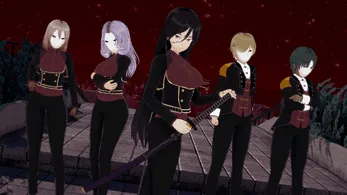
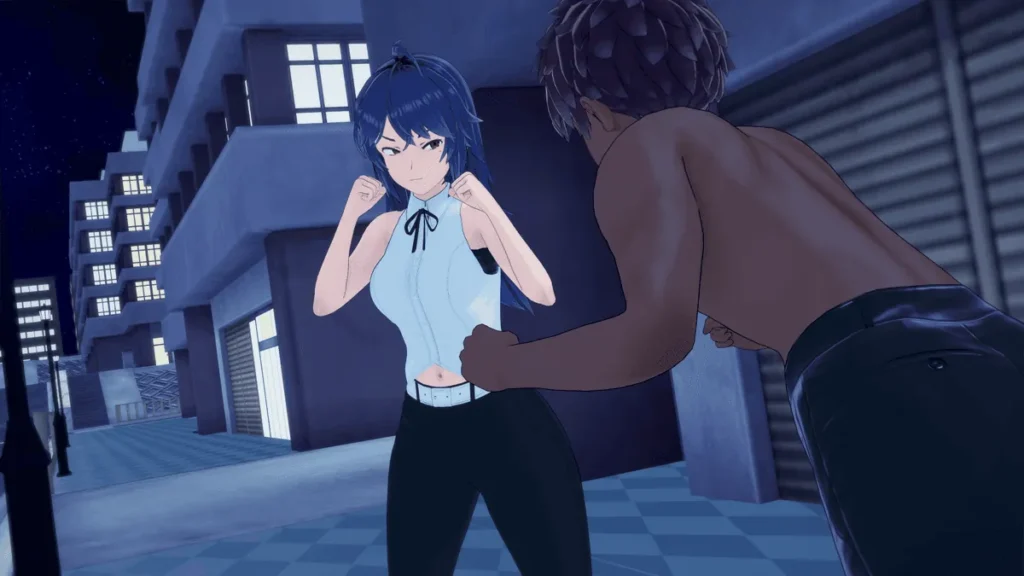
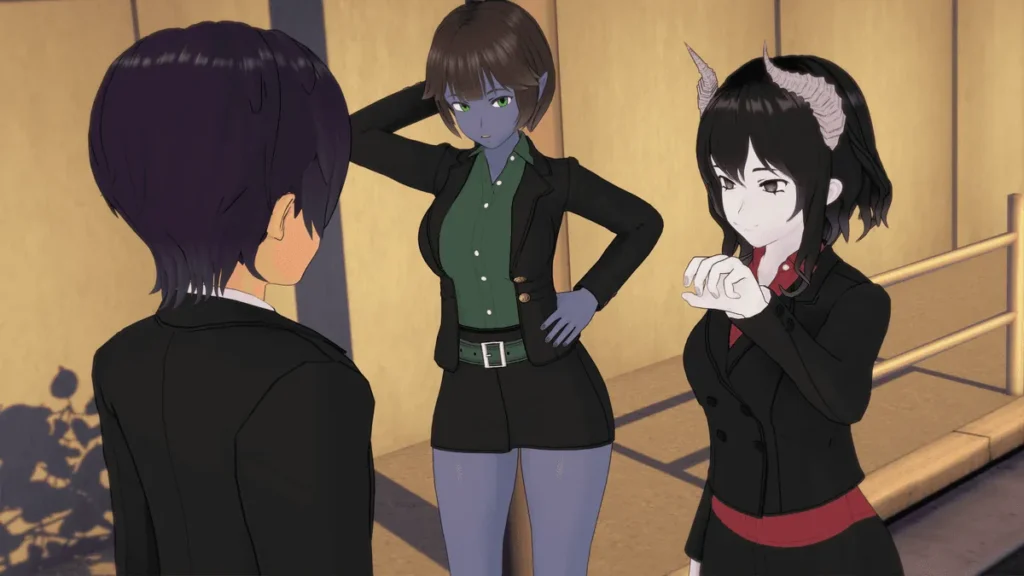
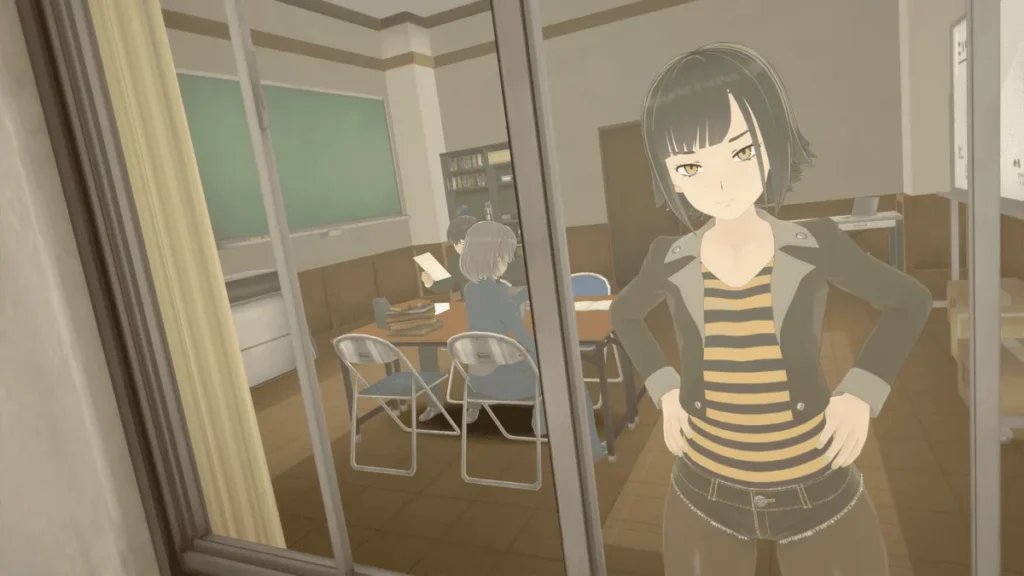
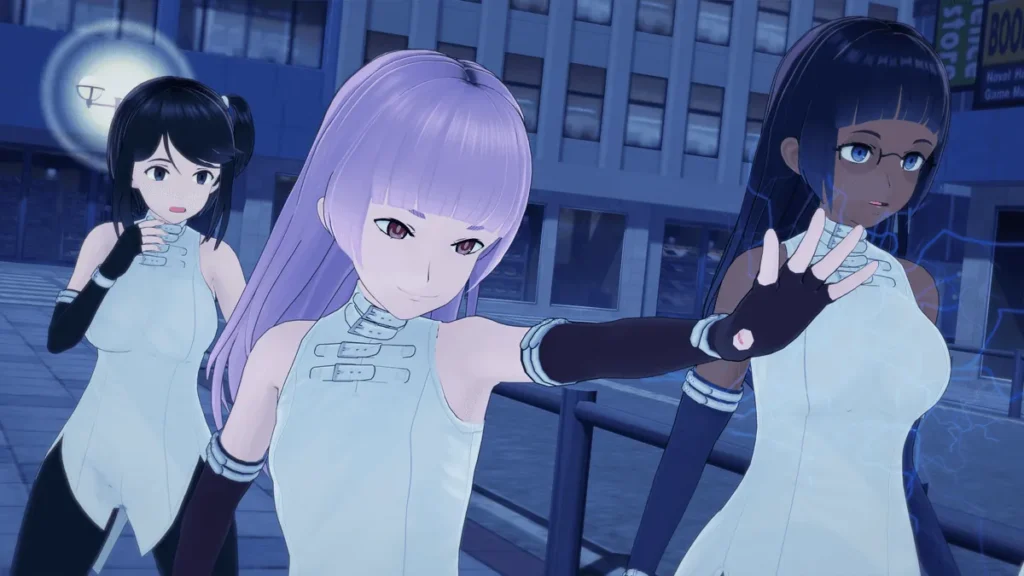
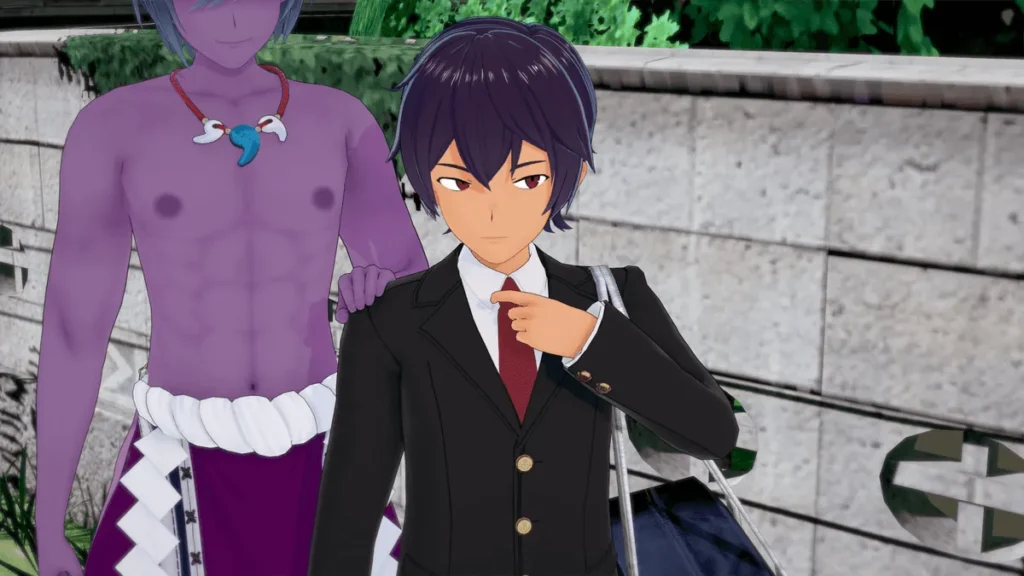
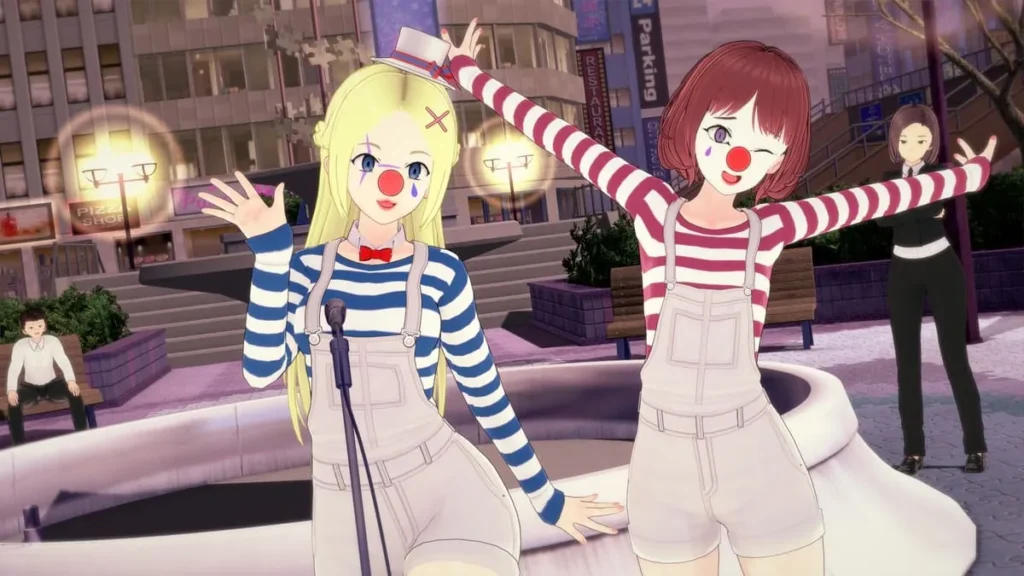
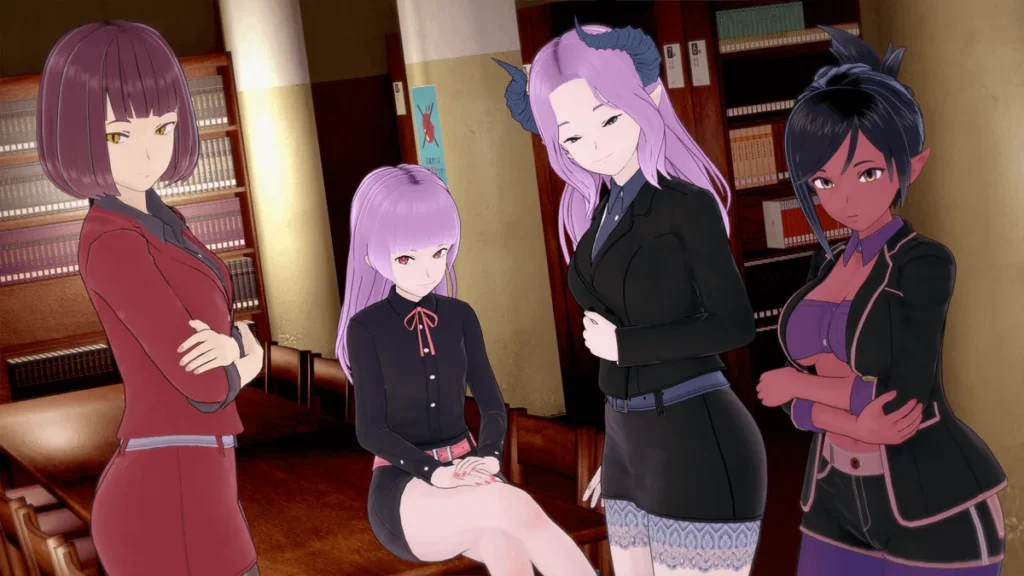
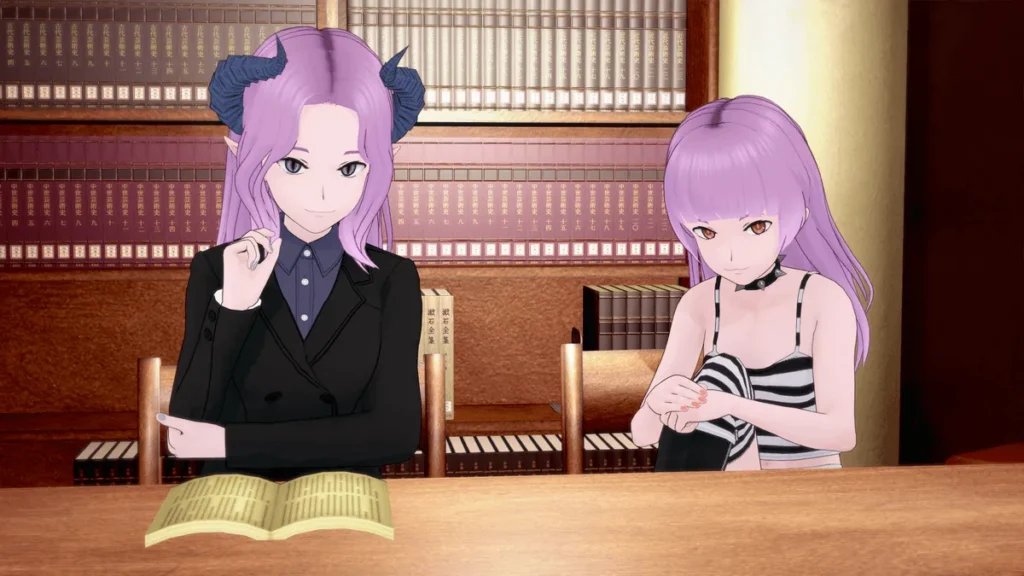
Demons of the Hearth review
Exploring the storytelling, characters, and gameplay that make this adult visual novel stand out
Demons of the Hearth has emerged as a standout title in the visual novel genre, earning praise for its exceptional storytelling and character depth. Unlike many games in its category, this interactive narrative experience focuses on meaningful plot development and emotional engagement alongside its mature content. Players consistently highlight the game’s worldbuilding, character writing, and ability to create genuine emotional investment. Whether you’re curious about the gameplay mechanics, story progression, or what makes this visual novel different from others in the genre, this guide covers everything you need to know about this critically acclaimed experience.
What Makes Demons of the Hearth Stand Out in the Visual Novel Genre
Let’s be honest. When you hear “adult visual novel,” a specific image probably springs to mind. It often involves clicking through minimal text just to get to the, ahem, main event. I know I’ve been there, feeling a pang of disappointment when a promising premise dissolves into shallow interactions. I almost passed over Demons of the Hearth visual novel because of that exact bias. What a mistake that would have been. 😅
This game isn’t just another entry in the genre; it’s a passionate argument for what the genre could be. It proves that an interactive storytelling game with mature content can have the narrative depth, emotional weight, and character development of the best novels you’ve ever read. It’s a hidden gem that many players rightly call criminally underrated. So, what exactly does it do differently? Let’s dive in and explore the pillars that make this experience so unforgettable.
Exceptional Storytelling and Narrative Quality
The moment I started Demons of the Hearth, I knew I was in for something different. The prose didn’t feel like functional text designed to bridge one scene to the next. It was evocative, thoughtful, and immersive. This is where the game establishes itself as a benchmark for the best adult visual novel storytelling. The mature elements are present, but they are consequences of the story and relationships, not the sole purpose of them. The game confidently prioritizes plot, theme, and emotional resonance, trusting that a powerful story is the ultimate driver of player engagement. 📚
At its heart, Demons of the Hearth is a story about healing, scars (both visible and invisible), and the fragile, complicated process of rebuilding a family. You play a protagonist returning to a neglected, eerie family estate, a place thick with memories and new, unsettling presences. The central themes aren’t about conquest or fantasy fulfillment, but about understanding, responsibility, and connection. This narrative maturity immediately elevates it. The game asks you to care about why characters feel the way they do, not just what they look like.
The Demons of the Hearth gameplay loop brilliantly supports this narrative-first approach. Your choices are rarely simplistic “good or bad” picks. Instead, they are nuanced decisions about how to communicate, when to push for answers, and when to offer space. Do you confront a character about their painful past, potentially pushing them away, or offer silent support and hope they open up in time? These choices directly influence relationship paths and unlock entirely different story branches and endings. This mechanic makes you an active participant in the interactive storytelling game, ensuring your journey feels uniquely yours. Every click feels weighty, because you’re genuinely shaping the story’s emotional trajectory.
A common thread in any sincere Demons of the Hearth story review is praise for its pacing and prose. The story unfolds with the patience of a good drama, allowing tension to simmer and characters to breathe. It understands that the quiet moments—shared chores in a dusty kitchen, a hesitant conversation under moonlight—are often more impactful than any grand spectacle. This commitment to quality writing is what transforms it from a simple game into a profound narrative experience.
Character Development and Relationship Building
If the story is the spine of Demons of the Hearth, then its characters are the heart, lungs, and soul. This is where the game’s dedication to character development visual novel enthusiasts crave is on full, breathtaking display. These characters are not archetypes or checkboxes on a romance list. They are beautifully broken, complex individuals, each carrying profound damage and a desperate, often hidden, desire for solace. 🫂
The game’s masterstroke is how it ties character development directly to your actions and choices. Relationships aren’t advanced by simply picking the “correct” flirty dialogue option a dozen times. They deepen through consistent, caring choices that demonstrate understanding and patience. You rebuild trust by showing up, by listening, and by making difficult decisions that prioritize the other person’s well-being. Seeing a character slowly lower their defenses, not because the plot demands it, but because you have earned that trust, is one of the most rewarding feelings in interactive media.
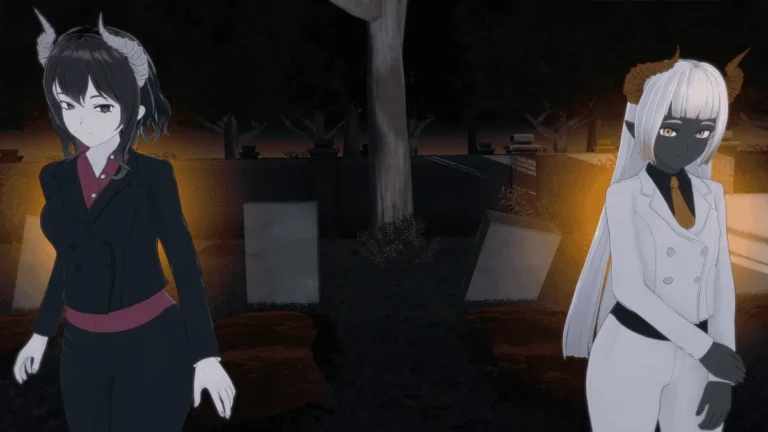
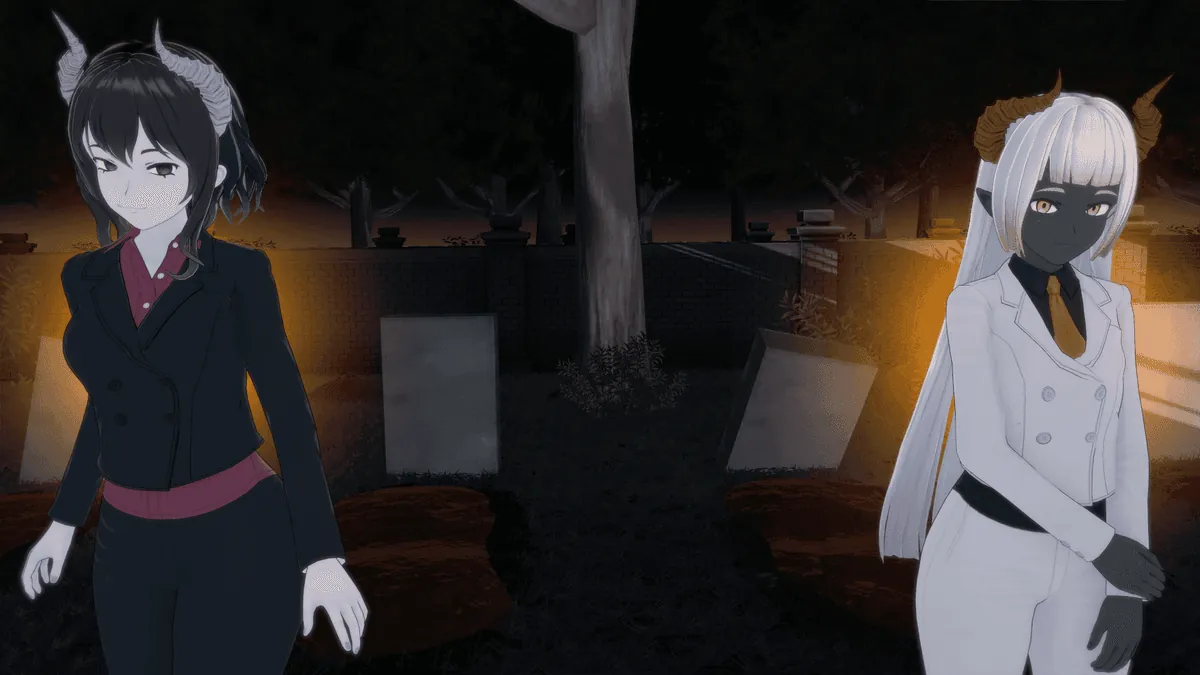
Let’s talk about the demons themselves—the supernatural inhabitants of the estate. Even they defy simple categorization. They are manifestations of trauma, regret, and memory. Building a relationship with them is a process of unraveling the human tragedy that created them, offering a chance for closure not just for them, but often for your own protagonist. This process is the core of the Demons of the Hearth gameplay concerning relationships. It’s a delicate dance of empathy that completely redefines what “romance” or “connection” can mean in a game like this.
“I went in expecting one thing and found myself utterly dismantled by the story. The relationship with Kaelen wasn’t a ‘route’ I was playing; it felt like I was gently helping a real person piece themselves back together. I cried. Multiple times. This game has no business being this good.” – A player testimonial echoing across forums.
This emotional authenticity is why players form such fierce attachments. You aren’t just collecting scenes; you are witnessing and facilitating genuine growth. The character development visual novel aspect is so potent because it mirrors real human connection—it’s messy, non-linear, and requires emotional labor. The payoff, however, is a sense of accomplishment and emotional investment that few games of any genre can match. 💖
Worldbuilding That Captivates Players
A great story needs a great stage, and the world of Demons of the Hearth is a character in its own right. The visual novel worldbuilding here is subtle, atmospheric, and deeply intertwined with the narrative’s core themes. The setting isn’t a generic backdrop; it’s a reflection of the story’s soul—a decaying estate that mirrors the characters’ internal states and holds the keys to their pasts. 🏚️
The game builds its world not through lengthy encyclopedic entries, but through environmental storytelling. The creak of a floorboard, the specific way dust motes dance in a sliver of light through a boarded-up window, the chilling draft that seems to emanate from one particular locked room—every detail contributes to an overwhelming sense of place. You feel the weight of history in the manor’s silence and the haunting beauty in its neglect. This approach to visual novel worldbuilding is masterful because it makes exploration feel organic. You’re learning about the world because you are curious about it, not because you’re ticking objectives off a list.
The lore of the demons and the estate’s magic system is revealed gradually through diaries, old letters, and cryptic conversations. It’s a puzzle that you solve alongside the protagonist, which makes every revelation feel earned and significant. This careful layering of mystery is a key part of the best adult visual novel storytelling, as it maintains narrative tension and gives you a tangible reason to investigate every corner of the game’s world.
Most importantly, the worldbuilding serves the themes. The decaying manor is a perfect vessel for exploring themes of inheritance, legacy, and the ghosts of family history—both literal and figurative. The magic and supernatural rules are directly tied to emotions, trauma, and memory, making the fantastical elements feel like a natural extension of the game’s psychological focus.
Here are the key narrative elements and themes that this powerful worldbuilding supports:
| Theme/Narrative Element | How It Manifests in the World |
|---|---|
| Healing and Recovery | The process of literally cleaning and repairing the estate parallels the emotional repair of the characters. |
| Family Dynamics & Legacy | Hidden family secrets in diaries and portraits directly fuel the central conflict and character motivations. |
| Atmosphere of Melancholy & Hope | The visual and audio design (e.g., somber music, rain-soaked landscapes) creates a poignant mood that balances sadness with potential for renewal. |
| The Nature of “Demons” | The supernatural beings are tied to specific locations and objects in the estate, making the setting an active participant in their stories. |
This seamless integration is why the world feels so immersive. You aren’t just told it’s a place of sadness and magic; you feel it in every scene, which makes the moments of warmth and connection you foster shine all the brighter.
Wrapping up this deep dive, it’s clear that Demons of the Hearth stands out not for one single trick, but for a harmonious commitment to excellence in every narrative dimension. It delivers best adult visual novel storytelling by treating its mature themes with respect and complexity. It achieves profound character development visual novel fans dream of by making growth a collaborative, choice-driven journey. And it constructs a visual novel worldbuilding framework so rich that the setting itself becomes a source of mystery and emotional resonance.
The Demons of the Hearth gameplay succeeds because every interactive element is in service to this holistic vision. Your choices matter in the truest sense, shaping not just endings, but the very emotional fabric of the journey. Any complete Demons of the Hearth story review must conclude that this is more than a game; it’s a testament to the power of interactive narrative when placed in the hands of storytellers who value depth, emotion, and player agency above all else. If you’re seeking an experience that will stay with you long after the final choice is made, this demon-haunted hearth is waiting to welcome you home. ✨
Demons of the Hearth represents a significant achievement in visual novel design, proving that mature-themed games can deliver exceptional storytelling, character development, and emotional depth. The game’s strength lies not in its explicit content but in its ability to weave meaningful narratives around complex characters and themes of healing, family, and redemption. From its choice-based gameplay mechanics that genuinely influence character relationships to its diverse cast of well-written characters, the game offers an experience that resonates with players long after completion. The active developer engagement and commitment to improving content based on community feedback demonstrates a dedication to quality that extends beyond initial release. Whether you’re drawn to compelling narratives, character-driven stories, or interactive fiction that respects player agency, Demons of the Hearth delivers on multiple fronts. If you’re considering diving into this visual novel, approach it with an open mind and patience for the sandbox progression system—the emotional payoff and narrative quality make the investment worthwhile. For those already familiar with the game, the ongoing development and community-driven improvements suggest there’s always more to discover in subsequent playthroughs.