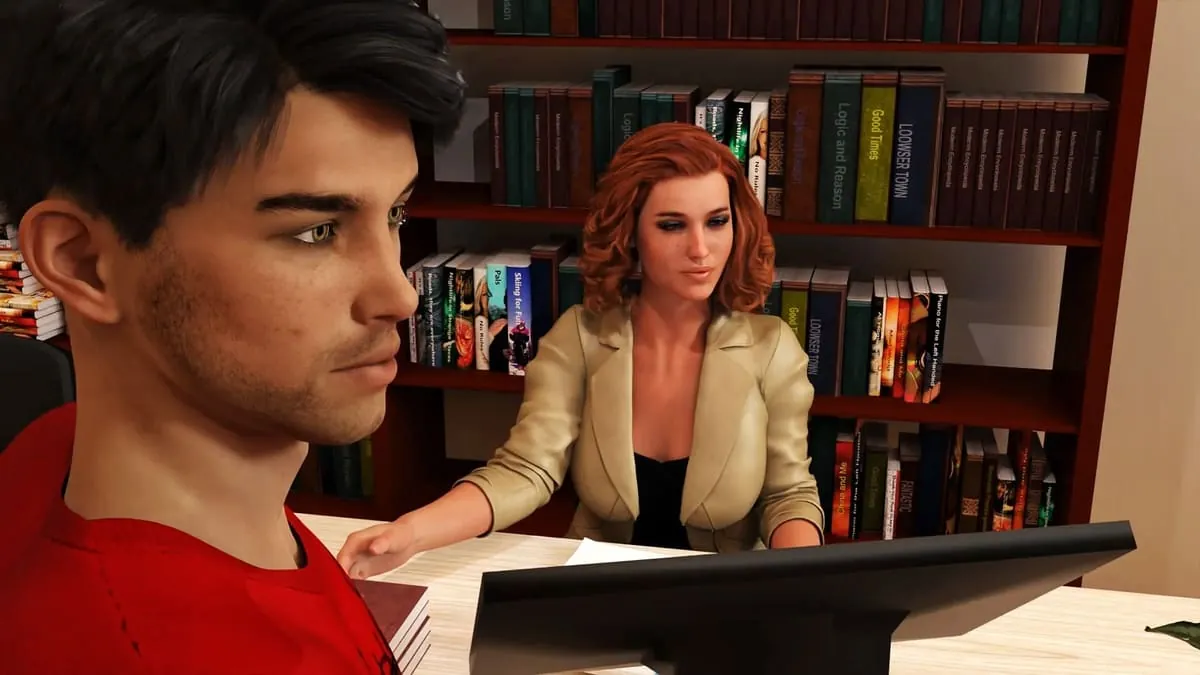
Twisted Memories
Play Twisted Memories
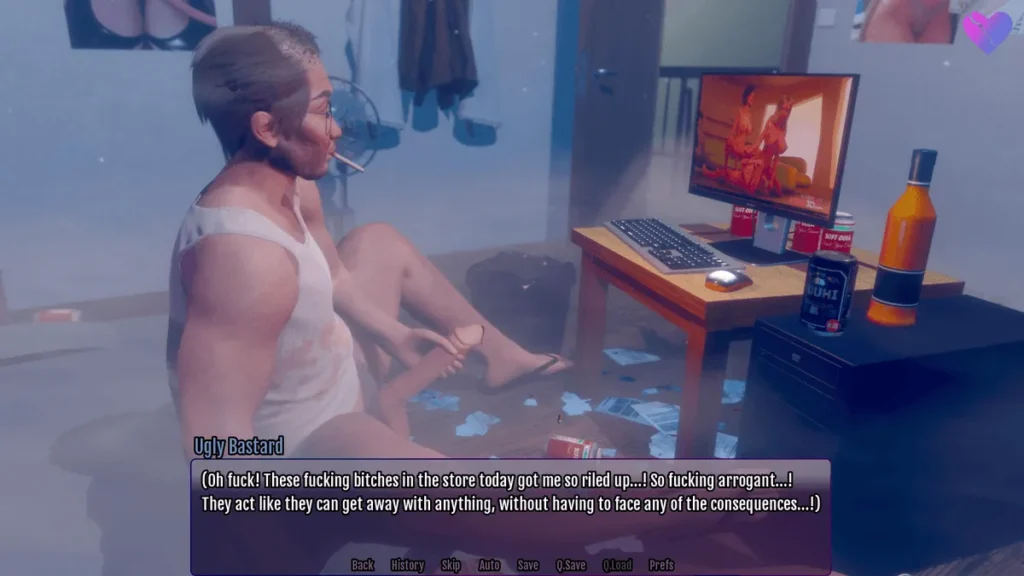
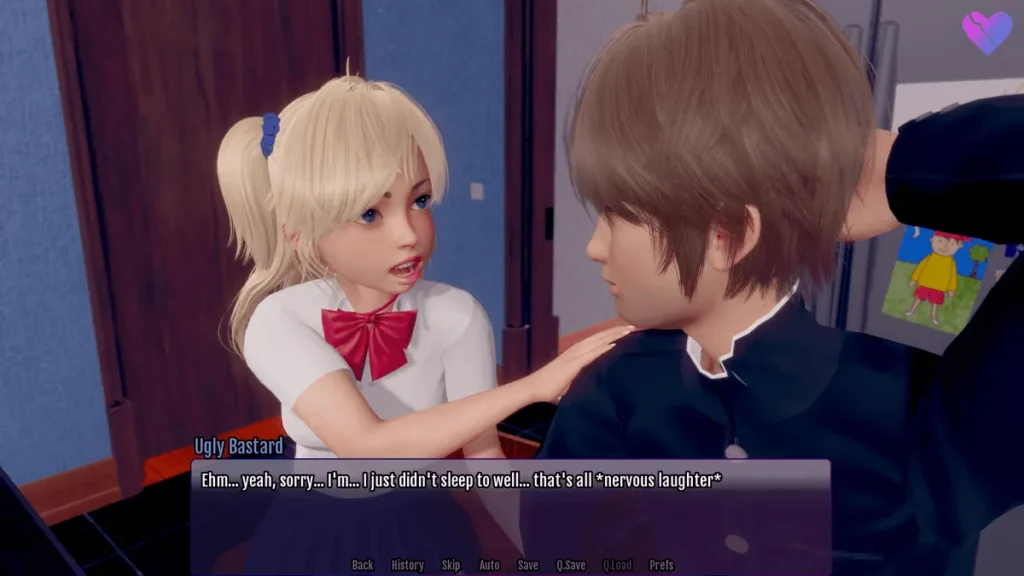
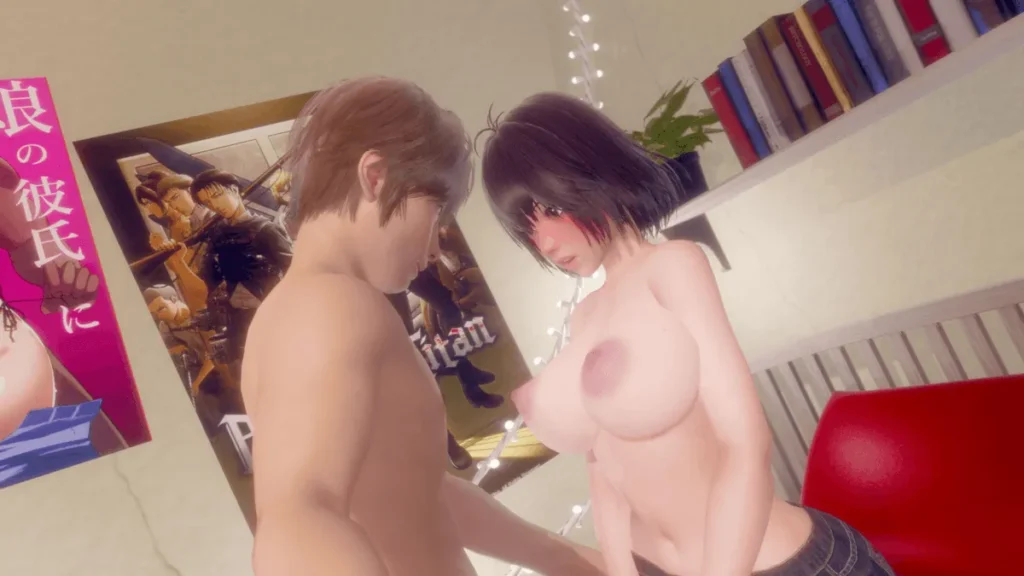
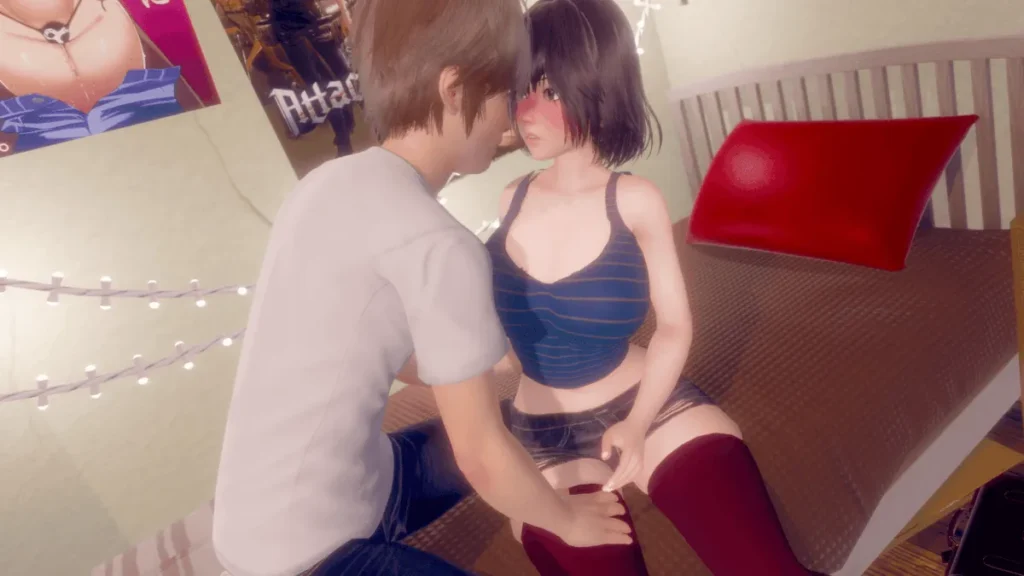
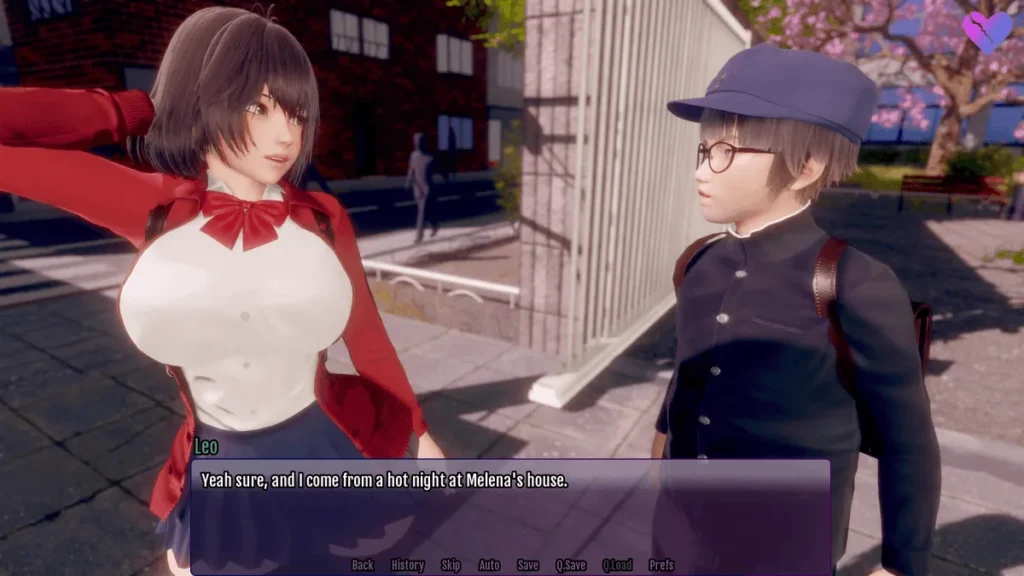
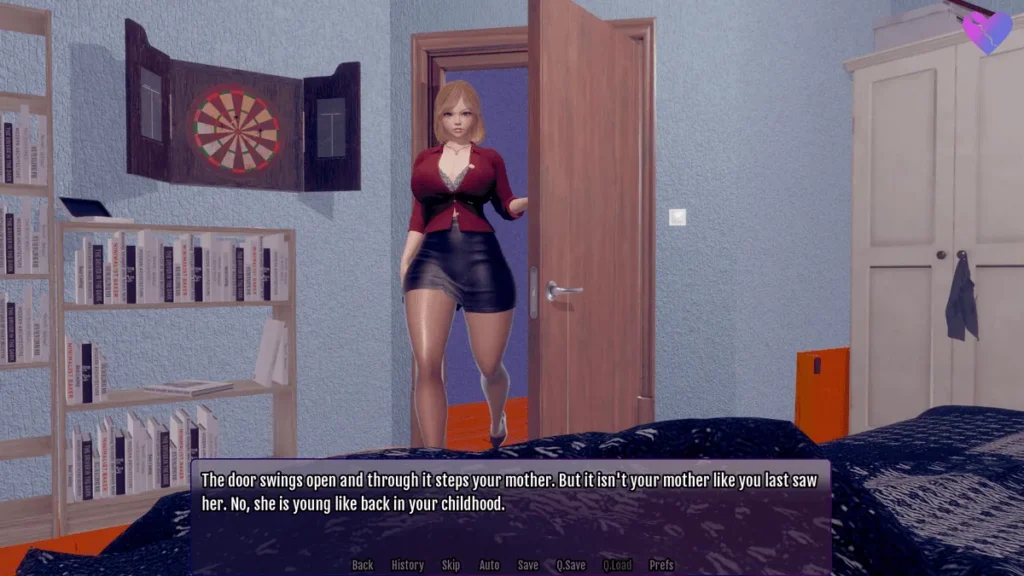
Twisted Memories Screenshots
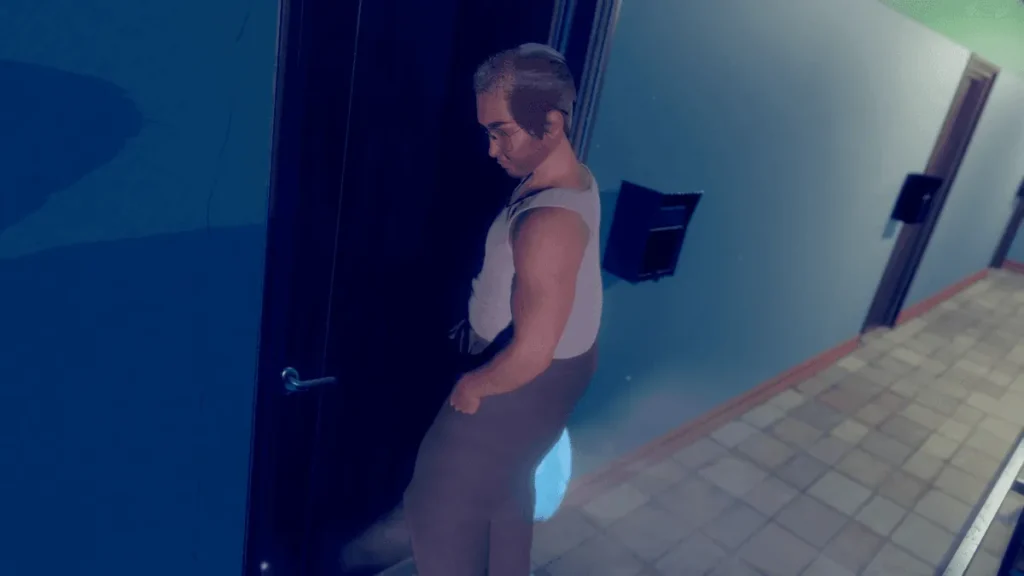
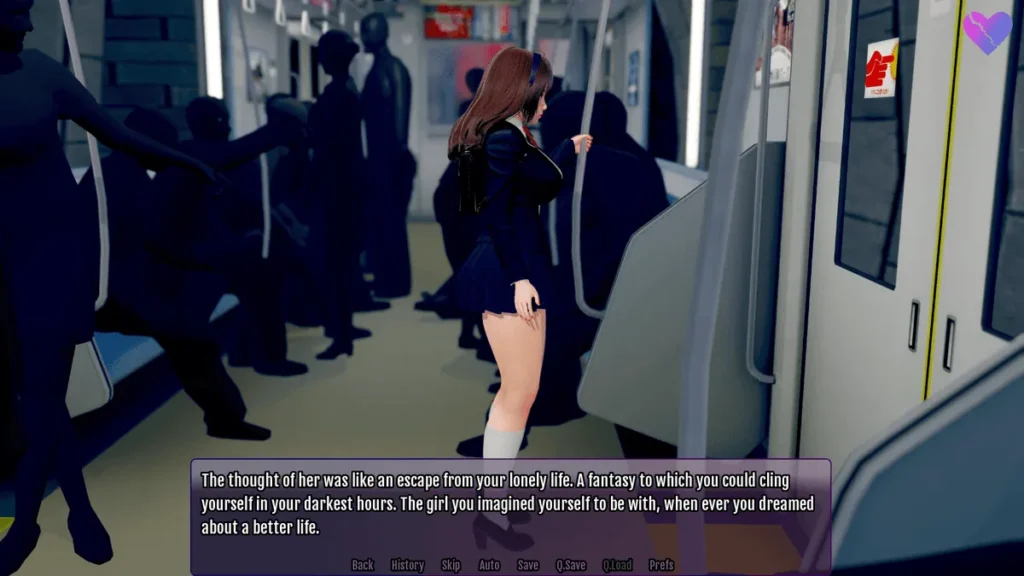

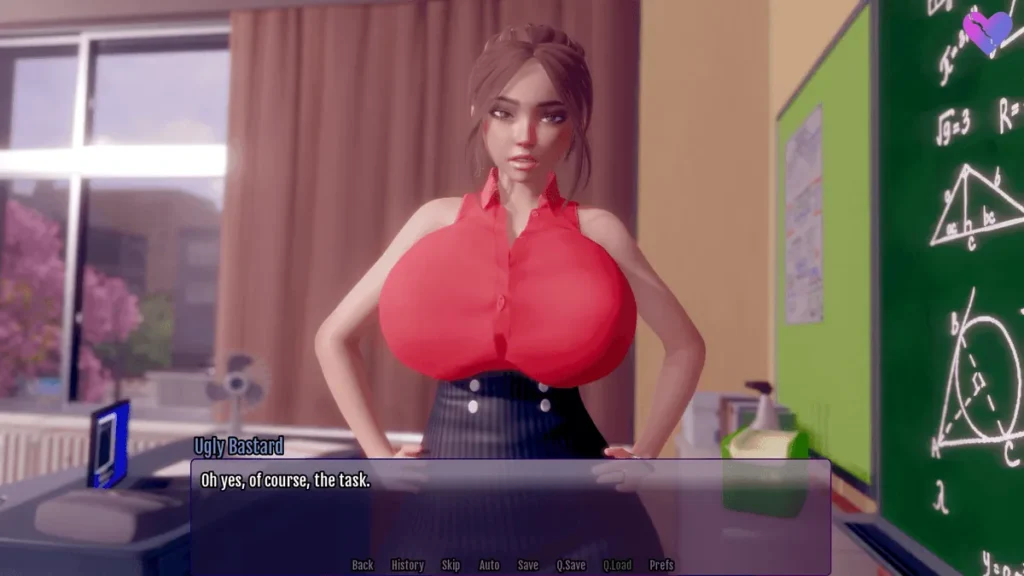



Twisted Memories review
Explore the narrative depth, gameplay mechanics, and player experience of this indie title
Twisted Memories stands out as a unique indie game that combines compelling storytelling with engaging mechanics. This guide explores what makes the game distinctive, from its intriguing plot twists to its visual presentation. Whether you’re considering playing or looking to deepen your understanding of the game’s narrative structure, this comprehensive overview covers everything you need to know about Twisted Memories and what players can expect from this creative title.
Understanding Twisted Memories: Game Overview & Core Features
Let’s be honest: we’ve all played games where the story feels like an afterthought, a flimsy excuse to get you to the next gunfight or puzzle. You finish them, shrug, and move on. Twisted Memories is the polar opposite of that experience. From the moment you boot it up, you’re not just playing a game; you’re being gently, then insistently, pulled into a deeply personal, unsettling, and beautifully crafted world where every pixel seems to ache with meaning. This indie title doesn’t just tell a story—it makes you an accomplice in its unfolding, and the emotional residue sticks with you long after the credits roll. 🕯️
As a player who cherishes narrative depth, I was captivated. This isn’t just another entry in the crowded indie space; it’s a masterclass in how to fuse interactive narrative game design with raw, human emotion. In this guide, we’ll peel back the layers of Twisted Memories, exploring what makes it a standout title that redefines player engagement through its brilliant mechanics and heartbreakingly good story.
What Makes Twisted Memories Unique in the Indie Gaming Space
The indie gaming landscape is flooded with pixel-art adventures and emotional stories, so standing out is a monumental task. Twisted Memories doesn’t just stand out—it carves its own niche. Its uniqueness isn’t derived from a single gimmick, but from a profound and confident synthesis of its parts. While many games offer choices, Twisted Memories makes you feel the weight of every single one, embedding its character-driven storytelling into the very fabric of its exploration and puzzle design.
What truly sets it apart is its central mechanic: you are literally sifting through and reconstructing fragmented memories. The game’s world is unstable, shifting based on your character’s emotional state and the memories you choose to confront or avoid. I remember one early session where I spent a good twenty minutes in a single, dilapidated room, not because I was stuck on a puzzle, but because I was piecing together the emotional significance of a broken music box and a faded postcard. The game rewarded my curiosity not with a trophy, but with a devastating new layer to the narrative. This focus on environmental storytelling as the primary driver of plot is a bold and brilliant choice.
Beyond its mechanics, the Twisted Memories game excels in tone. It masterfully balances moments of quiet, melancholic reflection with genuine psychological unease. You’re not chased by monsters; you’re haunted by regrets and “what-ifs.” This creates an atmosphere of dread that is more poignant than terrifying, a far cry from standard horror fare. It’s this unwavering commitment to its own unique vision—a vision that prioritizes psychological depth over jump-scares and player agency over linear spectacle—that defines its place in the indie pantheon.
To understand its core appeal, let’s break down the key features that form the bedrock of the experience:
- The Memory Lens Mechanic: Your primary tool isn’t a weapon, but a device that allows you to see the “echoes” of past events in the environment. This turns every location into a potential story scene.
- Non-Linear Narrative Unlocking: The story doesn’t unfold in a straight line. You unlock chapters of the past based on which clues you find and which emotional threads you pull, making each playthrough personally unique.
- Emotional State System: Your character’s anxiety, sorrow, or clarity isn’t just flavor text. It actively changes small details in the world—the color palette, background sounds, and even the availability of certain dialogue options.
- Puzzles as Narrative: Every puzzle is directly tied to understanding a relationship or a past trauma. Solving it doesn’t just open a door; it opens a wound, advancing the plot in a deeply integrated way.
- Minimalist, Evocative Sound Design: The audio landscape is sparse, making every piece of music, every whisper of the past, and every moment of silence incredibly powerful and intentional.
| Feature | How It Serves the Narrative | Player Impact |
|---|---|---|
| Memory Reconstruction | Forces active engagement with the plot; story is discovered, not told. | Creates a deep sense of ownership and personal investment in the narrative outcome. |
| Fluid World Design | Visualizes the protagonist’s unstable mental state and unreliable memory. | Maintains a constant, low-level unease and wonder, pushing exploration. |
| Dialogue with the Past | Characters are developed through remembered conversations and arguments. | Builds complex, flawed relationships where the player forms their own judgments. |
Gameplay Mechanics and Player Progression System
At its heart, Twisted Memories is an adventure game, but to label it as such feels reductive. Its indie game mechanics are meticulously crafted to be invisible servants of the story. There is no experience points bar, no skill tree to fill. Your progression is measured purely in understanding and emotional revelation.
The core loop is deceptively simple: explore an environment (often a hauntingly familiar house or ethereal memory space), use your “Memory Lens” to find echoes of the past, and interact with these echoes to piece together scenes. These scenes are the game’s lifeblood. You might witness a fleeting argument, a tender moment, or a critical mistake. Each one you collect adds a tile to the mosaic of the plot. The genius here is that the order in which you find these scenes can subtly alter your perception of events. I found a scene of a heartfelt apology early in my playthrough, which colored my interpretation of a later-discovered betrayal with more sympathy than anger. A friend who found them in the reverse order had a completely different read on the same character.
This is where the Twisted Memories gameplay features shine. The game employs a “Psychological Coherence” system—a fancy term for a behind-the-scenes tracker that monitors which memories you’ve accepted, which you’ve rationalized, and which you’re suppressing. This system directly gates your access to later areas and the final acts of the story. You can’t reach the truth about a painful family event, for example, until you’ve first willingly confronted smaller, related regrets. It’s a progression system that mirrors therapeutic breakthrough, and it’s incredibly effective.
Player agency is everything. The game presents you with key moments where you must choose how to interpret a memory. Was this character’s action cruel or misguided? Was this event an accident or a subconscious intention? These choices don’t lead to a simple “good” or “bad” ending. Instead, they tailor the final narrative conclusion to reflect the specific emotional journey you curated. It’s a form of narrative-driven gameplay that respects the player’s intelligence and rewards emotional engagement over mechanical skill.
My Tip: Don’t rush. The most profound moments in Twisted Memories often happen when you stop trying to “progress” and simply exist in a space. Listen to the ambient sounds, look at the family photos, and read the notes. The environment is the narrator.
Visual Design and Narrative Structure
The visual and narrative architecture of Twisted Memories are inseparable twins. The game’s art style—a blend of hand-painted backgrounds with slightly ethereal, shifting character models—immediately signals that you are not in a concrete reality. You’re navigating a psychological landscape. Color is used with breathtaking intention. Warm, saturated hues often bleed into a scene when a happy memory is accessed, while moments of trauma or confusion are marked by a desaturation of color or a sudden, oppressive use of a single tone, like a sickly green or a deep, hopeless blue. 🎨
The narrative structure is deliberately fragmented, mirroring the protagonist’s broken memory. You won’t get a clean, chronological story. Instead, you get shards: a childhood birthday party here, a tense adult conversation there, a moment of silent despair in between. The onus is on you, the player, to hold these pieces in your mind and slowly rotate them until they click together. This active reconstruction is the game’s greatest storytelling strength. You’re not a passenger; you’re the archaeologist of this person’s soul.
This structure is the perfect breeding ground for the game’s infamous game plot twists. But to call them mere “twists” is unfair. They aren’t cheap, out-of-nowhere shocks. They are the inevitable, dreadful conclusions that form when you finally connect two disparate memory shards. The realization doesn’t feel like the game tricking you; it feels like you tricked yourself, overlooking a clue because you, like the protagonist, didn’t want to see it. I’ll never forget the moment a seemingly innocuous collection of objects—a prescription bottle, a forgotten coffee cup, a rainy window—suddenly aligned in my mind to reveal a truth I had been passively avoiding for hours. The game didn’t flash a “REVELATION” graphic. It just let the silence hang there, heavy with my own understanding.
Let’s look at a specific example of how this all comes together in practice:
Example: The Lighthouse Memory
In one chapter, you explore a foggy coastal cliff. Using your Memory Lens, you find echoes of two people arguing. The dialogue is vague, tense. Scattered around are visual clues: a sketchbook with angry scribbles over a lighthouse drawing, a single ticket for a ferry departure, a shattered vase. Depending on which clue you investigate first and how you choose to interpret the argument echo, the game will present you with a follow-up memory. Did the argument cause the vase to break in anger, or was it broken later in grief? Your interpretation will lock in a specific version of that memory for your playthrough, which will then influence how another character speaks about this event hours later in the game timeline. This is character-driven storytelling in its purest, most interactive form.
The atmosphere is consistently thick with poignant unease. The sound design deserves its own essay—the way a familiar melody becomes a distorted music box tune in a memory of trauma, or how the cheerful sound of rain in one scene becomes the oppressive hammer of a storm in another. It’s a game that understands that tone is built not in cutscenes, but in the spaces between them.
In conclusion, Twisted Memories is more than the sum of its parts. It’s a heartfelt argument for video games as a medium for intimate, personal storytelling. Its narrative-driven gameplay isn’t a feature; it’s the entire foundation. By making the player an active participant in unravelling and interpreting its story, it forges a connection that is rare and powerful. It proves that the most compelling puzzles aren’t about moving blocks, but about mending broken hearts and confronting hidden truths. If you crave an experience that values emotional intelligence and narrative discovery above all else, this Twisted Memories game is not just a recommendation—it’s an essential journey.
Twisted Memories offers a distinctive gaming experience that appeals to players seeking engaging narratives and unique storytelling. The game’s strength lies in its ability to combine compelling plot elements with interactive gameplay, creating an experience that resonates with indie game enthusiasts. Whether you’re drawn to character-driven stories, intriguing plot twists, or immersive visual design, Twisted Memories delivers on multiple fronts. If you’re considering diving into this title, approach it with an open mind and appreciation for creative indie development. For current players, the community continues to discuss and celebrate what makes this game special. Explore Twisted Memories yourself and discover why it has captured the attention of players looking for something beyond mainstream gaming experiences.