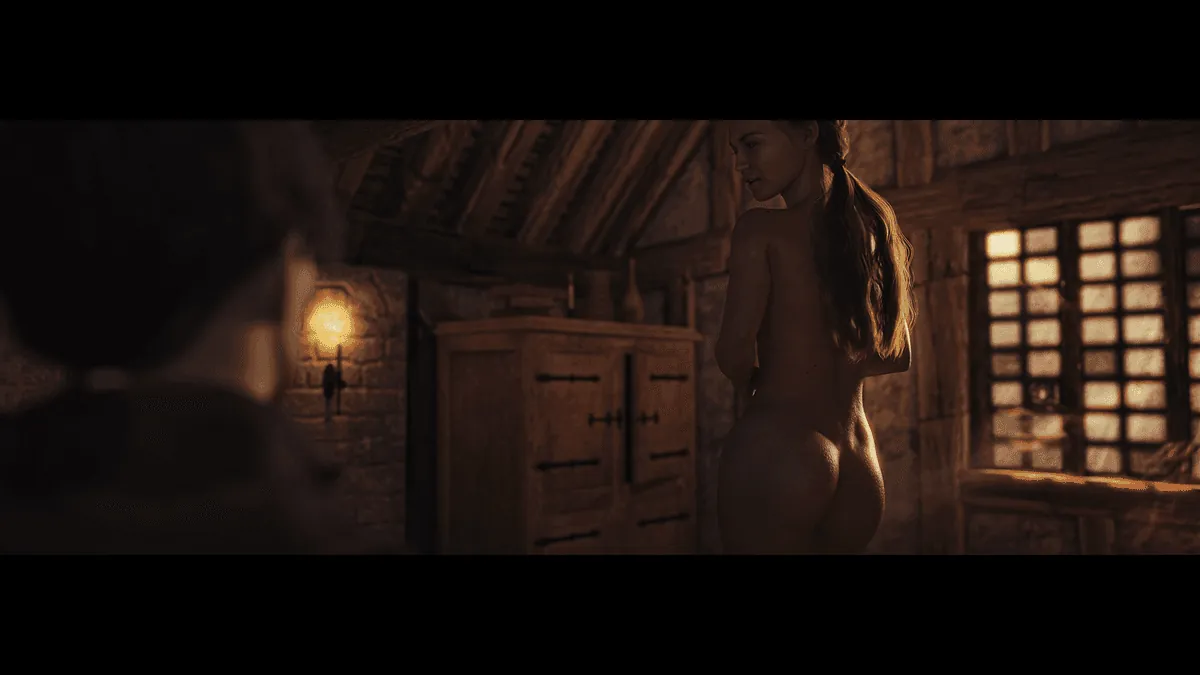
The Theater of Sinners
Play The Theater of Sinners
The Theater of Sinners Screenshots
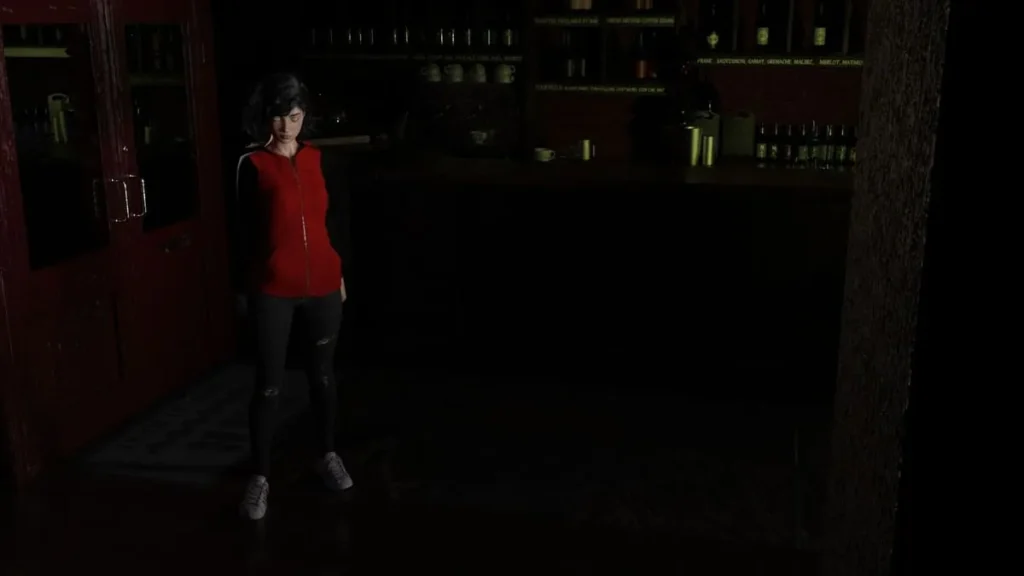
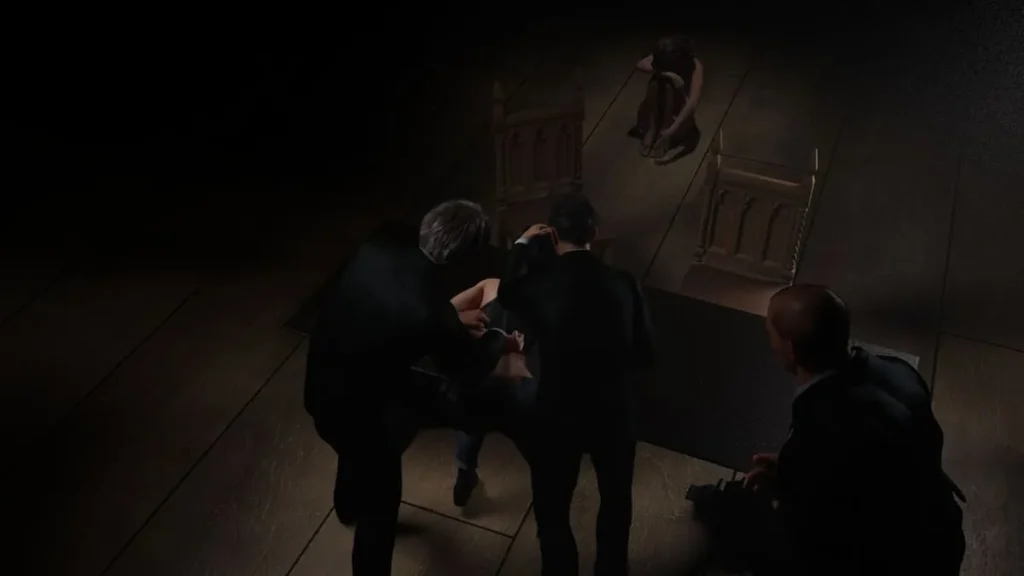




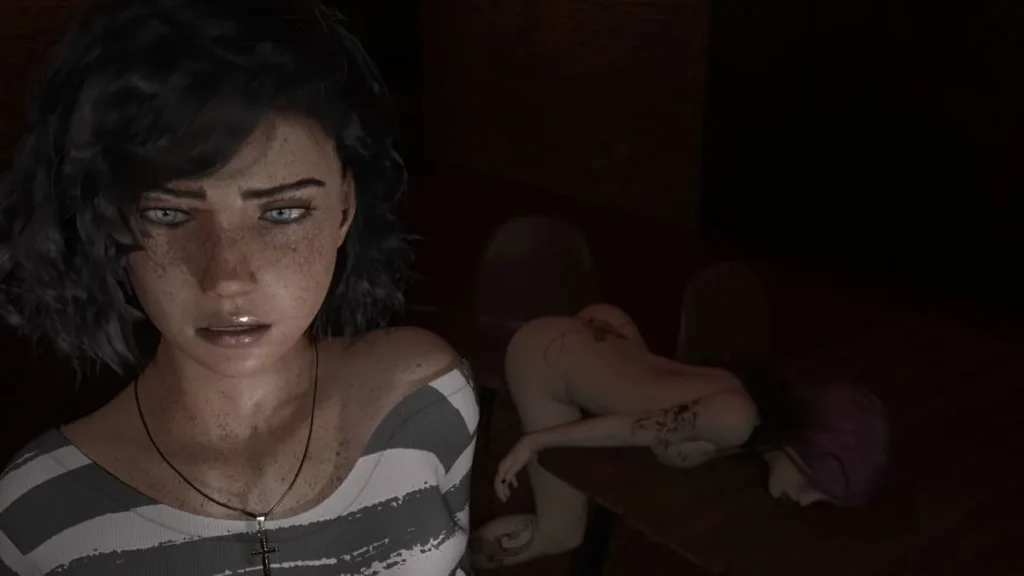








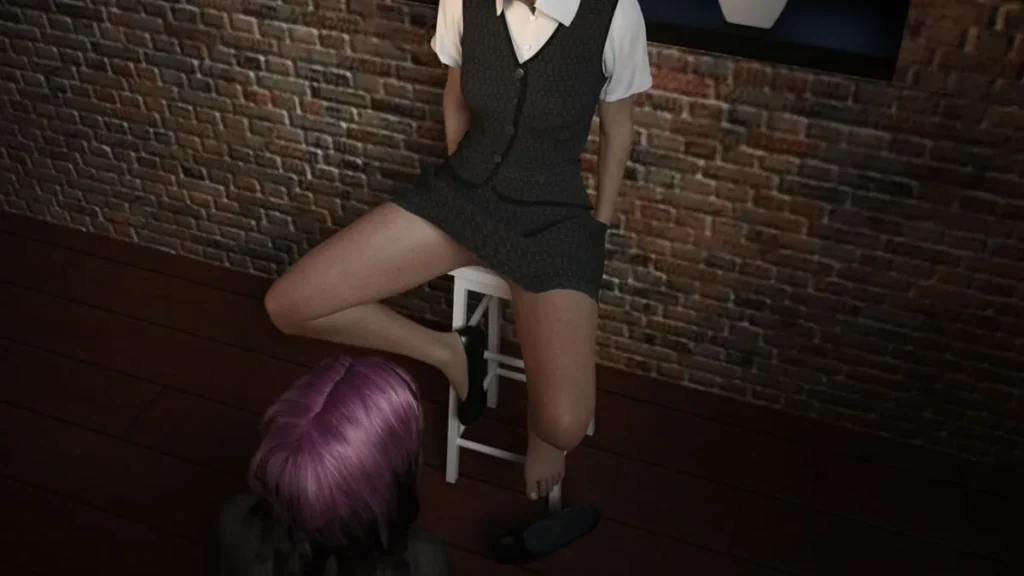

The Theater of Sinners review
Dive into the twisted tales of corruption and choice in this gripping Ren’Py game
Ever stumbled into a game that grips your soul with its raw, unfiltered exploration of human darkness? That’s The Theater of Sinners for you—a Ren’Py visual novel by JustXThings that pulls you into a web of humiliation, corruption, and blurred morals. Picture this: you’re shaping the fates of characters like Paula, the powerful figure’s daughter tangled with teen delinquents, and Rebecca, scarred by an abusive upbringing. My first dive into this world left me replaying choices late into the night, questioning every decision. In this guide, we’ll unpack the Theater of Sinners narrative, mechanics, and why it’s a must-play for fans of psychological depth and intense scenarios. Ready to step onto the stage?
Unveiling the Twisted World of The Theater of Sinners
I still remember the first time I truly felt the atmosphere of The Theater of Sinners wrap around me. It was one of those late-night sessions, the room lit only by my monitor, and the dread wasn’t from a jump scare or a monster. It built slowly, syllable by syllable, in the deceptively simple dialogue boxes of this Ren’Py visual novel. A character would say something seemingly innocent, but the subtext—the slight pause, the described flicker in their eyes—suggested a world of hidden pain and looming threat. That’s the game’s secret weapon: it makes you an accomplice in its tension. You’re not just watching a dark story unfold; you’re feeding it with every choice you make.
So, what is The Theater of Sinners about? At its core, it’s a masterclass in psychological horror and moral ambiguity in Theater of Sinners. You navigate the interwoven, crumbling lives of several protagonists, primarily Paula and Rebecca, within a setting known as the Grand Théâtre des Ombres. This place isn’t just a location; it’s a brilliant metaphor. It’s the stage where everyone’s deepest flaws, traumas, and sins are forced into the spotlight. The game asks a brutal, compelling question: when life systematically breaks you, what kind of person do you become?
What Makes The Theater of Sinners Storyline So Addictive? 🎭
The Theater of Sinners narrative hooks you because it replaces cheap thrills with profound, human dread. This isn’t about external monsters; the monsters are circumstance, memory, and the corrupting influence of power. The plot is a meticulously crafted downward spiral, but one you chart yourself. The non-linear storytelling, flashing between past trauma and present consequence, makes every revelation feel earned and devastating.
The Theater of Sinners storyline is addictive because it makes you complicit. You’re not a hero saving the day. You’re often just choosing which flavor of corruption or survival seems least terrible in the moment. Will you make Paula submit to humiliation to avoid a worse fate? Will you let Rebecca’s anger consume her? These decisions are recorded in a stat-raising system (traits like Submission, Defiance, Corruption) that silently branches the narrative into drastically different outcomes, from harsh to… well, slightly less harsh. Redemption is a fragile, elusive concept here.
The game’s power is cemented by its unwavering focus on five key themes:
- The Cycle of Pain: Abuse and trauma beget more of the same, and the game forces you to witness—and sometimes perpetuate—this vicious cycle.
- The Weight of Guilt: Every choice, even the “pragmatic” ones, leaves a stain on your conscience and on the character’s soul.
- Corruption as Survival: Often, the path of moral compromise is presented as the only way to endure, blurring the lines between victim and perpetrator.
- The Illusion of Power: Characters seek control in a world designed to strip it from them, leading to tragic or twisted assertions of dominance.
- Twisted Connections: Relationships are rarely about love; they’re about dependence, manipulation, and shared damage forming a deadly bond.
This rich thematic tapestry is why the Theater of Sinners storyline feels so heavy and memorable. You’re not just playing a game; you’re conducting a psychological autopsy on characters you come to painfully understand.
Key Characters and Their Haunting Backstories 😨
The heart of this dark tale lies in its deeply flawed, tragically human cast. The Theater of Sinners characters are not archetypes; they are broken people shaped by specific, cruel worlds. Understanding them is key to navigating the game’s emotional minefield.
Paula Theater of Sinners presents a fascinating study in corrupted privilege. As the daughter of a powerful, distant figure, her life seems gilded from the outside. But this makes her a perfect target. Bullied and tormented by delinquents, she’s pushed towards deviance not from desire, but from a desperate need to reclaim some shred of agency in a life where she’s otherwise just a pawn. Her path questions whether dignity can survive when every choice is tainted.
Rebecca Theater of Sinners offers a rawer, more brutal perspective. Raised by an addict mother and a violently abusive stepfather, her world is one of constant threat and scarcity. Her struggle isn’t about losing privilege; it’s about never having had any. Her anger is a survival tool, but the game explores whether that tool will defend her or ultimately destroy her from the inside out. Her story is a raw nerve of moral ambiguity in Theater of Sinners.
To keep track of these complex souls and the figures who orbit their tragic lives, here’s a breakdown:
| Character Name | Background | Core Struggle | Player Influence |
|---|---|---|---|
| Paula | Daughter of a powerful official; target of systematic bullying. | Maintaining a sense of self and dignity in the face of coercive humiliation and corruption. | Guide her toward defiant resistance, broken submission, or cunning, amoral adaptation. |
| Rebecca | Raised in poverty with an addict mother and abusive stepfather. | Controlling a deep-seated, justified anger that risks consuming her and everything she touches. | Shape whether her rage becomes a protective shell, a destructive weapon, or something she learns to temper. |
| The Delinquents (e.g., Vincent) | Often products of their own broken environments, acting as agents of corruption. | Exerting power and control in a world where they feel powerless, perpetuating the cycle of abuse. | Your choices determine if they are mere obstacles, twisted mentors, or reveal slivers of their own damaged humanity. |
| Family Figures | Absent parents, abusive authorities, failed protectors. | They represent the original sources of trauma and the broken systems the protagonists must navigate. | Through flashbacks and dialogue, you piece together their role in creating the people Paula and Rebecca have become. |
How Choices Shape Your Journey in This Game ⚖️
This is where The Theater of Sinners transforms from a story you read into a story you live. The Ren’Py engine becomes a stage for your own ethical experimentation. Every dialogue option, every silent decision to endure or act, is a brick in the path your character walks.
Let me give you a tangible example from my own playthrough. Early in Paula Theater of Sinners arc, a bully demands a trivial but deeply humiliating act. The game presented me with two clear stats to influence: Defiance or Submission. A third, quieter option was to simply say nothing and take it. I chose defiance, a small act of rebellion. It felt good… in the moment. Later, that single point of Defiance altered a subsequent scene. A different character, sensing Paula’s slight shift in demeanor, approached her not with a direct threat, but with a “deal”—a far more insidious form of corruption that wouldn’t have been offered if I’d chosen Submission. My “good” choice had opened a door to a much worse potential future. That’s the genius of the Theater of Sinners narrative; it understands that consequences are rarely linear.
Practical Tip: The game’s event structure can be overwhelming. I strongly advise focusing on one character’s “stat path” at a time. Play through all available events for, say, Paula’s Submission route before reloading to explore her Defiance route. This lets you see the full, chilling scope of each narrative branch and how profoundly your influence changes the story’s soul.
Savor the dialogue. Read between the lines. A character’s sigh, a described hesitation, a change in the background music—these are all clues to the subtext and the potential landmines ahead. Unlocking the most impactful scenes requires you to be not just a player, but a psychologist, parsing the fragile emotional states of the Theater of Sinners characters.
In the end, the Theater of Sinners storyline stays with you because it outshines typical games by removing the safety net. It makes you stare into the abyss of difficult choices without the promise of a heroic payoff. You are an active participant in stories of humiliation, corruption, and twisted romance. The Grand Théâtre des Ombres is your stage, and every click of the mouse is a step deeper into its haunting, unforgettable performance.
But how do you technically navigate this theater? The stat system, event unlocking, and branching paths have their own rules… but that’s a guide for our next chapter, where we’ll break down the essential mechanics you need to bring your darkest—or perhaps most cautious—playthrough to life.
There you have it—the shadowy allure of The Theater of Sinners laid bare, from its morally gray narratives and complex characters to the choices that twist fates in unexpected ways. I still catch myself pondering Paula and Rebecca’s paths long after closing the game, a testament to its psychological pull. Whether you’re drawn to the corruption, the horror, or the raw human struggles, this visual novel delivers an unforgettable stage. Grab the latest 0.3 ALPHA 1 version from JustXThings on itch.io, fire it up, and let your decisions unfold. What’s your first choice going to be? Dive in and find out—your story awaits.