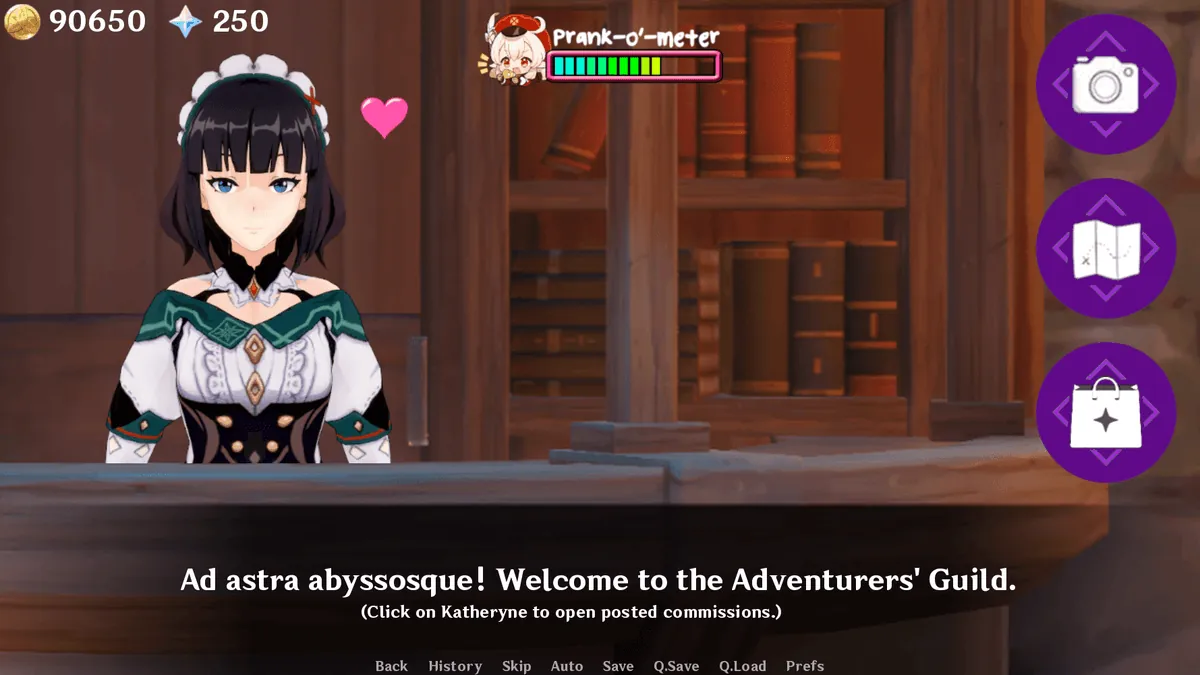
Sylvia
Play Sylvia
Sylvia Screenshots





Sylvia review
A comprehensive guide to understanding this mature-themed gaming experience
The Sylvia game represents a niche category within the gaming industry that combines adult entertainment with interactive gameplay mechanics. This comprehensive guide explores what makes this title unique, examining its core gameplay systems, visual presentation, and overall player experience. Whether you’re curious about mature-themed games or researching this specific title, understanding its mechanics and design philosophy provides valuable insight into how adult games approach entertainment and engagement. We’ll break down the essential elements that define this gaming experience and help you determine if it aligns with your interests.
Understanding the Sylvia Game: Core Mechanics and Gameplay
So, you’ve heard about the Sylvia game. Maybe a friend mentioned it, or you saw it pop up in a forum. Your mind might be conjuring images of a certain type of experience, but let me stop you right there. What if I told you that beneath its mature-themed exterior, Sylvia is a genuinely engaging arcade-style challenge? 😲 I was skeptical too, until I spent an evening with it and found myself more focused on beating a tricky level than anything else.
This guide will pull back the curtain on the actual experience. We’re going deep into the Sylvia game mechanics, breaking down the adult game gameplay systems that power it, and figuring out exactly how this unique title works. Forget assumptions; let’s talk about the real interactive entertainment on offer.
What Is the Sylvia Game and How Does It Work?
At its heart, Sylvia is a physics-based arcade game. The core loop is deceptively simple: you control a cursor or paddle to bounce a ball, aiming to hit specific targets or clear obstacles within a defined space. Think of classic brick-breaker games, but with a layered progression system and a distinct visual reward structure. The primary gameplay interaction is all about precision, timing, and understanding angles.
How does Sylvia game work in practice? You launch a ball with a click, and then your job is to keep it in play using your controlled paddle, directing it to break blocks, hit switches, or navigate through increasingly complex stages. Successfully completing a stage advances you to the next, and this is where its unique game reward unlocking system kicks in, granting access to new visual content.
The Sylvia game mechanics are built on a few core pillars:
* Shot Mechanics & Ball Physics: 🎯 This is the soul of the game. The angle of deflection, the speed of the ball, and the physics of the environment are consistent and require real skill to master.
* Level Design: Each stage introduces new block formations, moving obstacles, or special targets that change your strategy.
* Resource Management: Some levels give you a limited number of balls or lives, adding a layer of tension.
* Progression Gateway: Your ability to progress is directly tied to your performance, creating a clear skill-based pathway.
The magic (and sometimes the frustration) lies in how these systems intertwine. It’s not just a mindless clicker; it demands your attention.
Game Mechanics and Difficulty Progression
The mature game difficulty progression in Sylvia is a masterclass in “easy to learn, hard to master.” The first few levels are your tutorial. They’re forgiving, introducing you to basic controls and simple objectives. You might think, “Hey, this is pretty straightforward!” That’s by design. It’s lulling you into a false sense of security before the real test begins. 🎮
As you advance, the adult game gameplay systems reveal their complexity. Levels start incorporating:
* Moving barriers that require split-second timing.
* Multi-stage targets where you must hit switches in sequence.
* “Danger zones” that will cost you a ball if you touch them.
* Levels with a single, precious ball, where the pressure is immense.
Let me give you a specific example. I breezed through the first ten levels, feeling pretty confident. Then I hit Level 11. This stage introduced a rotating shield in the center of the playfield and tiny, fast-moving target blocks. The mature game difficulty progression spiked sharply. My usual tactic of banking shots off the walls failed miserably. I had to learn to time my shots to slip through the shield’s opening, all while tracking those speedy targets. It took me nearly a dozen attempts to clear it! This is where Sylvia separates casual players from dedicated ones. The challenge is the point—it makes the eventual victory and its reward genuinely satisfying.
The balance here is crucial. The game constantly teaches you new skills and then immediately tests them in tougher scenarios. This ramp-up ensures you’re always engaged and rarely bored, though it can certainly lead to moments of controller-gripping frustration (in the best way possible).
Visual Content and Unlocking System
This is the aspect that sets Sylvia apart and defines its niche. The game reward unlocking system is the engine of its interactive adult entertainment promise. Simply put, you play to unlock. Every completed level acts as a key, granting you access to new still images or animated sequences featuring the titular character. The visual presentation is high-quality, with detailed artwork and smooth animations that are well-integrated into the game’s universe.
The unlocking is perfectly linear and transparent. There are no random loot boxes or hidden paywalls within the gameplay itself. You see a gallery of locked content, and each item clearly states which level you need to conquer to reveal it. This creates a powerful, direct feedback loop:
1. You face a challenging level.
2. You struggle, learn, and eventually triumph.
3. You are immediately rewarded with new visual content.
4. This motivates you to take on the next challenge.
This table breaks down the core progression and reward structure:
| Gameplay Phase | Primary Challenge | Unlock System Reward |
|---|---|---|
| Early Levels (1-10) | Learning basic physics & controls. | Introductory visual scenes, establishing the character and style. |
| Mid-Game (11-25) | Mastering complex obstacles & timing. | More dynamic and detailed sequences, often involving movement or new settings. |
| Late-Game (26+) | Executing precise sequences under limited resources. | Premium, often climactic or highly detailed content, representing the “finale” of collections. |
So, does it deliver on its core promise? From my experience, absolutely. The game challenge and content balance is its greatest strength. The gameplay isn’t an afterthought; it’s a legitimate, skill-testing arcade experience. The rewards feel earned, not given. You’re not just passively watching; you’re actively engaging with a solid game to be granted access to its visual gallery. This fusion is what defines Sylvia as a piece of interactive adult entertainment. It understands that the “interactive” part needs to be compelling on its own merits.
If you go in expecting only one aspect, you might be surprised. But if you appreciate a fair, challenging game with a clear and rewarding progression system, Sylvia offers a uniquely balanced package. The Sylvia game mechanics provide the substance, and the unlocking system provides the distinctive style. It’s a combination that, for the right player, really works. 🏆
The Sylvia game occupies a unique space in the gaming landscape as a title that attempts to blend interactive gameplay with mature content. Based on comprehensive analysis, the game presents a straightforward gameplay loop centered around skill-based challenges, with visual rewards serving as progression incentives. However, the experience reveals significant gaps between its concept and execution, particularly in how difficulty scaling impacts overall enjoyment. The game’s primary weakness lies in its reliance on increasingly frustrating mechanics rather than engaging gameplay depth, making the rewards feel disproportionately difficult to earn. For players interested in mature-themed games, understanding these mechanics helps set realistic expectations about what the title offers. Rather than providing a satisfying gaming experience, the Sylvia game serves as a reminder that successful game design requires balancing challenge with reward in ways that maintain player engagement throughout the experience.