Monster Girl Dreams
Play Monster Girl Dreams
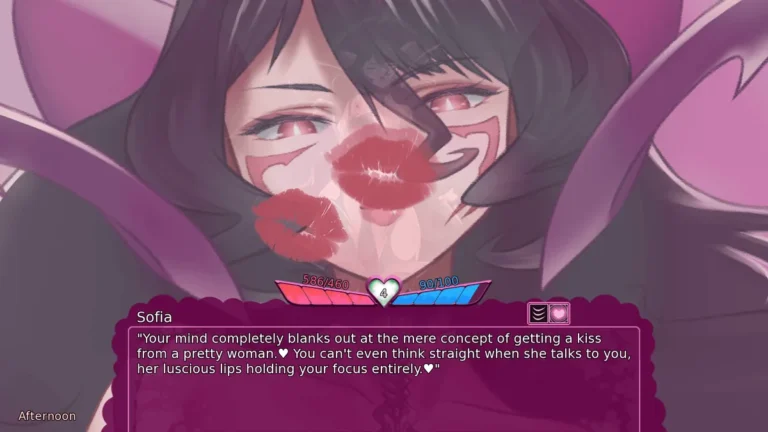
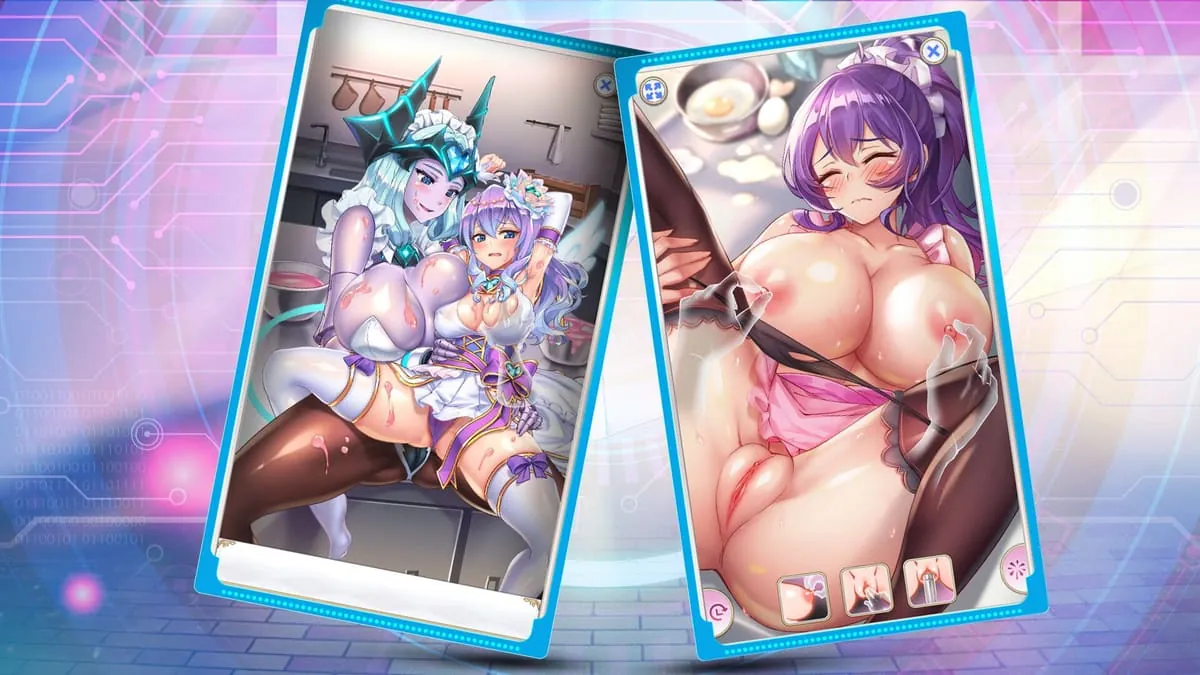
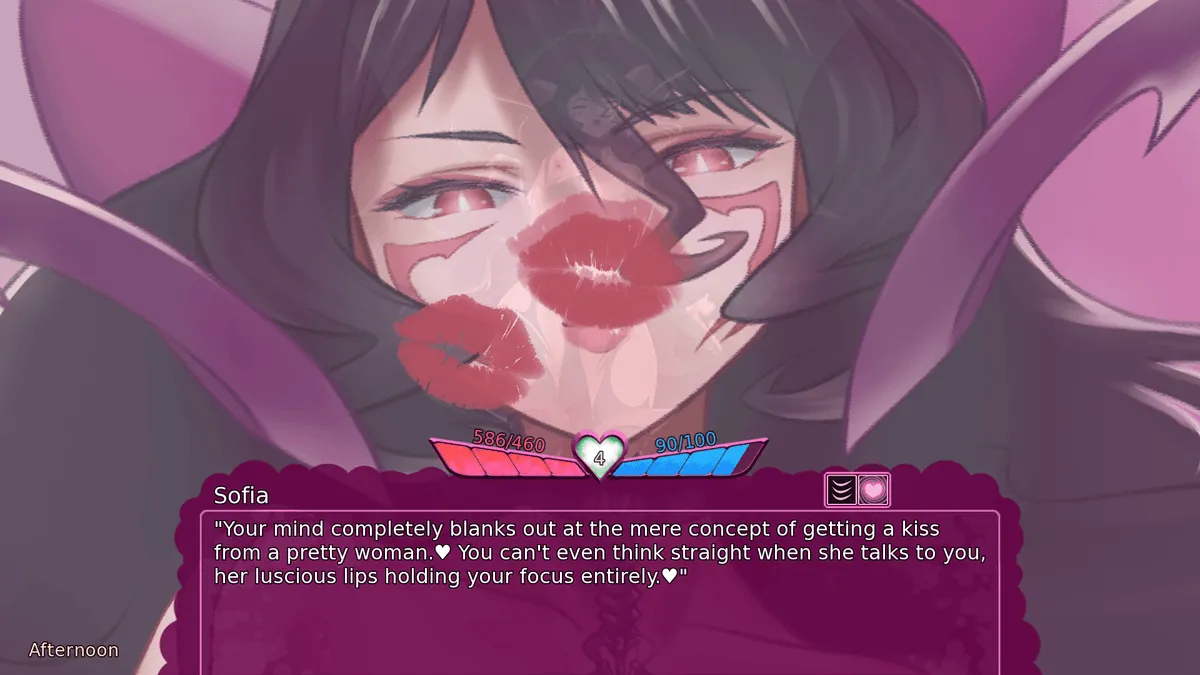
Monster Girl Dreams Screenshots
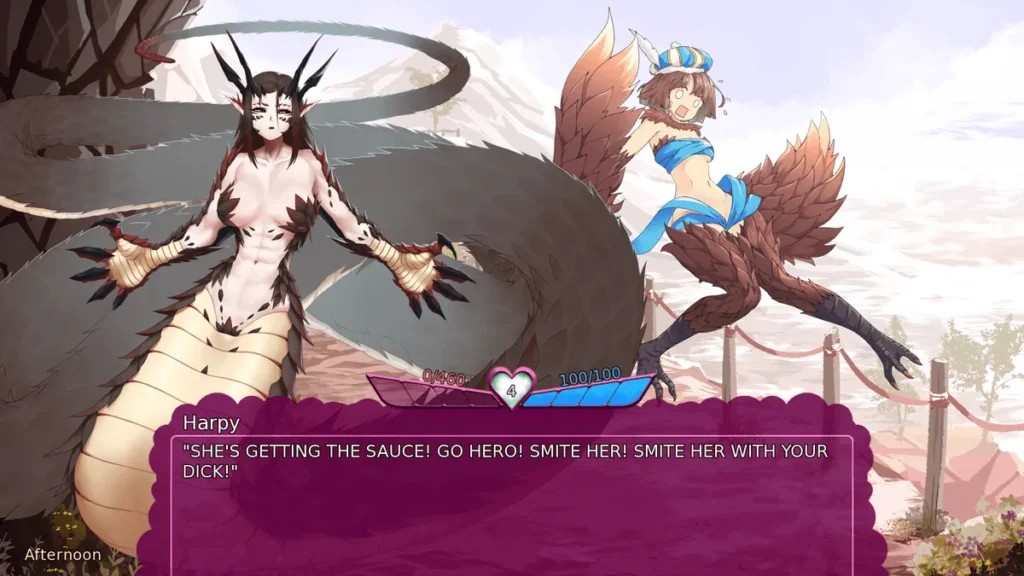
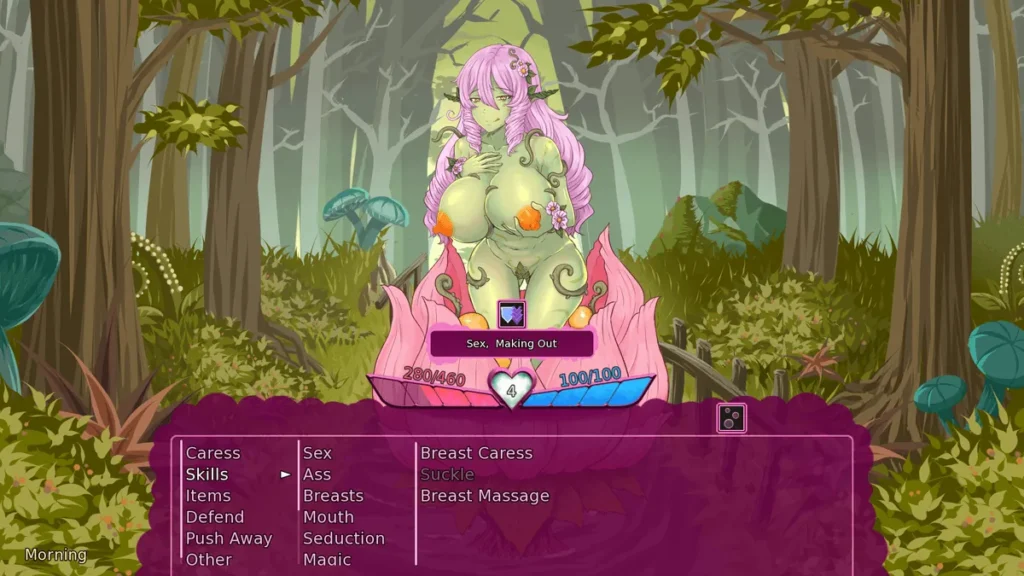
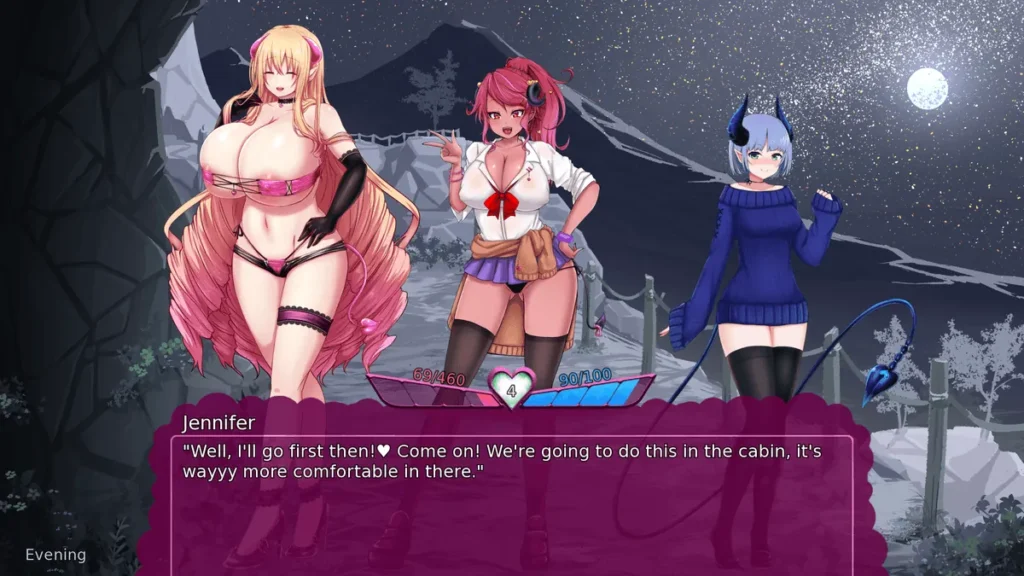
Monster Girl Dreams review
Explore gameplay mechanics, character encounters, and strategic tips for this indie adventure
Monster Girl Dreams stands out as a notable indie title in the adventure gaming community, offering players an immersive experience with strategic depth and narrative complexity. This game combines turn-based mechanics with character-driven storytelling, creating an engaging world where player choices significantly impact outcomes. Whether you’re new to the title or looking to optimize your playthrough, understanding the core systems, available characters, and progression paths will enhance your overall experience. This guide covers essential gameplay elements, character interactions, and strategic approaches to help you navigate the game’s various endings and unlock all available content.
Understanding Monster Girl Dreams Gameplay Mechanics
Let’s be honest: diving into a new indie RPG can be equal parts exciting and overwhelming. You’re thrown into a vibrant world, meet a cast of intriguing characters, and then—bam—you’re hit with a dozen interlocking systems. I remember my first hour with Monster Girl Dreams gameplay, fumbling through menus, unsure if I should be saving my gold, chasing quests, or just talking to everyone in town. I made every mistake in the book! 🤦♂️
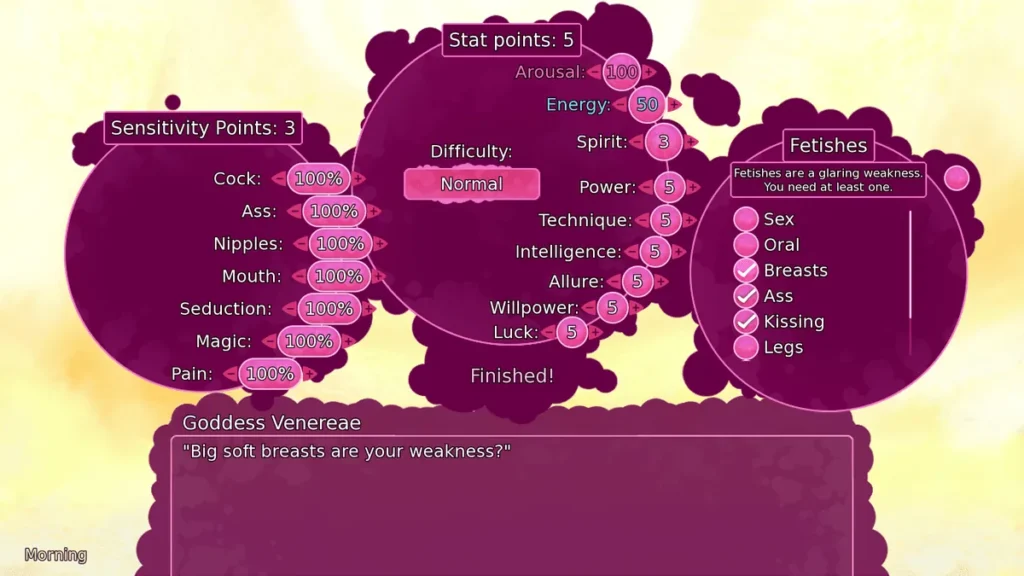
But that’s why we’re here. Understanding the core systems isn’t just about getting better; it’s about fully enjoying the rich, choice-driven adventure the creators built. This chapter is your foundation. We’ll break down everything from the strategic turn-based combat mechanics to the delicate dance of the character trust meter system, giving you the resource management strategy you need to thrive. Think of this as your essential Monster Girl Dreams progression guide, where all the game mechanics explained will show you precisely how to unlock content and shape your unique story.
Core Turn-Based Combat System 🗡️🛡️
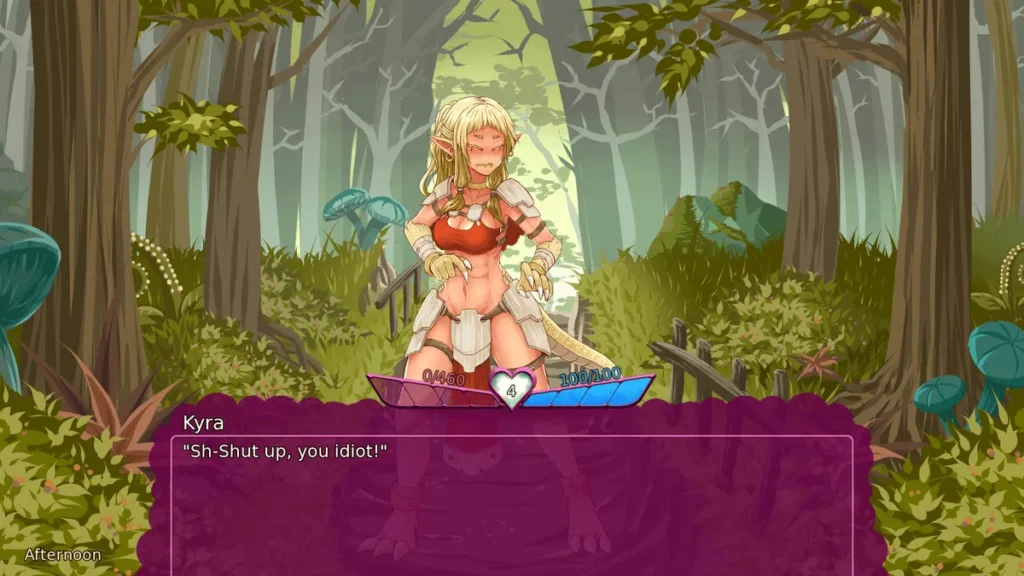
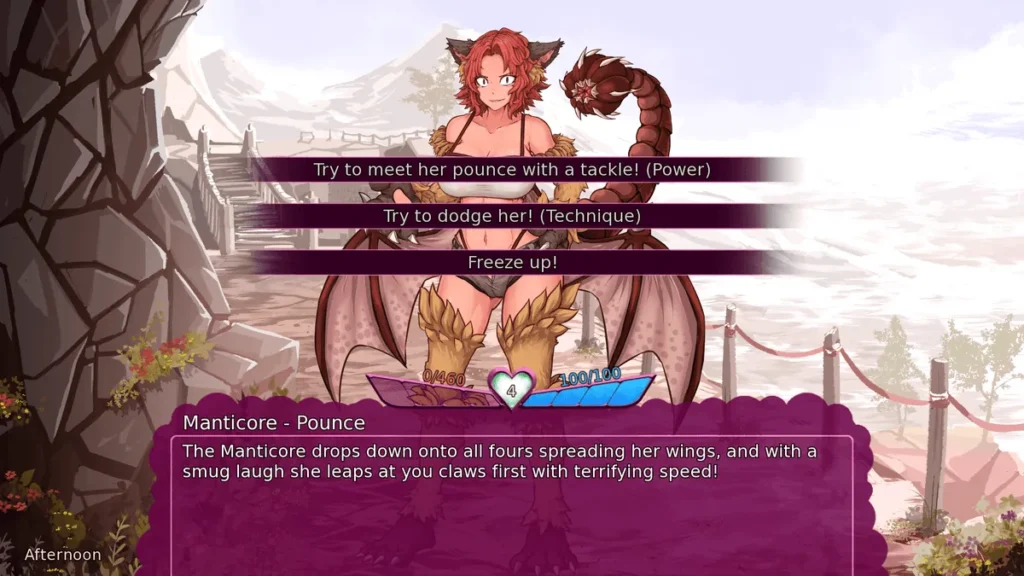
At its heart, the combat in Monster Girl Dreams is a classic, thoughtful turn-based affair, but with delightful twists that keep every encounter engaging. It’s not just about dealing the most damage; it’s a battle of attrition, status effects, and smart resource use. You and your opponent take turns selecting actions from a menu, with speed stats determining who goes first.
Your main resources in a fight are Energy and Focus. Think of Energy as your stamina for physical actions and special moves, while Focus is your mental fortitude, used for powerful skills and maintaining your defenses. Letting either drop to zero leaves you horrifically vulnerable. This dual-resource system is the first layer of strategy. Is it worth spending most of your Energy on a strong attack, or should you conserve it to dodge an incoming blow? I learned this the hard way against an early Lamia encounter, where I blew all my Energy on offense only to be helplessly constricted the next turn!
The real depth, however, comes from status effects and defensive stances. Unlike many RPGs where “Attack” is the default button, here, your defensive options are crucial. You can Guard to reduce damage, Focus to recover mental stamina, or attempt a Dodge. Different monster girls apply different debilitating effects—from paralysis to charm—and your choice of defense can mitigate these. Understanding your foe’s pattern is key. For example, some foes have powerful telegraphed attacks; a well-timed Guard can negate most of the damage and save your skin.
Pro Tip: Don’t sleep on the “Assess” ability in early battles! It uses little resources and can reveal an enemy’s weaknesses and preferred attack patterns, turning a tough fight into a manageable puzzle.
Mastering these turn-based combat mechanics means treating each fight like a tactical puzzle. It’s not just “I hit you, you hit me.” It’s about managing your internal resources (Energy/Focus), countering the enemy’s strategy, and knowing when to push advantage or retreat into a defensive shell. This system ensures that even random encounters require a bit of thought, making victory all the more satisfying. 🏆
Character Relationships and Trust Mechanics 💖
If combat is the bones of the game, then relationships are its beating heart. The character trust meter system is arguably the most important and rewarding mechanic for how to unlock content in Monster Girl Dreams. This isn’t a simple “give gifts to increase hearts” bar. It’s a nuanced reflection of your interactions, choices, and consistency.
Every major character has a Trust Meter that fluctuates based on your dialogue choices, quest decisions, and how you treat them in and out of combat. A high trust level opens up new conversation branches, special personal quests, and ultimately, deeper narrative paths. But it’s a two-way street. Make promises you don’t keep, choose cruel options, or ignore their personal struggles, and you’ll see that meter drop—sometimes locking you out of content permanently for that playthrough.
I’ll share a personal case study from my first playthrough: I met the diligent shopkeeper, Anya. Early on, she mentioned in passing a problem with some pests in her storage. I was so focused on my main quest debt that I brushed it off. Weeks of in-game time later, when I finally decided to pursue her story, her trust was stagnant. My indifference had been noted. It took a long, deliberate series of kind interactions and completing a much harder version of her original request to begin repairing that relationship. It was a powerful lesson: these characters remember.
This system deeply ties into the Monster Girl Dreams gameplay philosophy. Your journey isn’t just about wealth or power; it’s about the connections you forge. The game mechanics explained here show that your social strategy is as critical as your combat strategy. Different characters value different traits—honesty, bravery, compassion, or even cunning. Paying attention to their personalities is your best guide.
To help you navigate these relationships, here’s a breakdown of some common character archetypes and what to expect:
| Character Type | Key Trait They Value | Unique Mechanic/Interaction | Trust Building Tip |
|---|---|---|---|
| The Guardian (e.g., Knightly Types) | Honor & Courage | May offer sparring sessions; trust affects their performance in joint combat scenarios. | Choose direct, brave dialogue options and never flee from a fight when they’re watching. |
| The Seeker (e.g., Scholarly Types) | Curiosity & Honesty | Can share lore that unlocks hidden areas or quest solutions; may give item identification services. | Share information you find, ask questions about their research, and return lost books or artifacts. |
| The Free Spirit (e.g., Nature-aligned Beings) | Kindness & Spontaneity | Trust can lead to shortcuts in wilderness areas or warnings about environmental hazards. | Accept their playful offers, show kindness to animals/plants, and avoid rigid, bureaucratic choices. |
| The Merchant | Reliability & Fair Dealing | High trust unlocks better prices, exclusive stock, and access to high-interest savings. | Pay debts on time, choose “fair price” options even when haggling, and complete their fetch quests promptly. |
Progression and Resource Management 📈💰
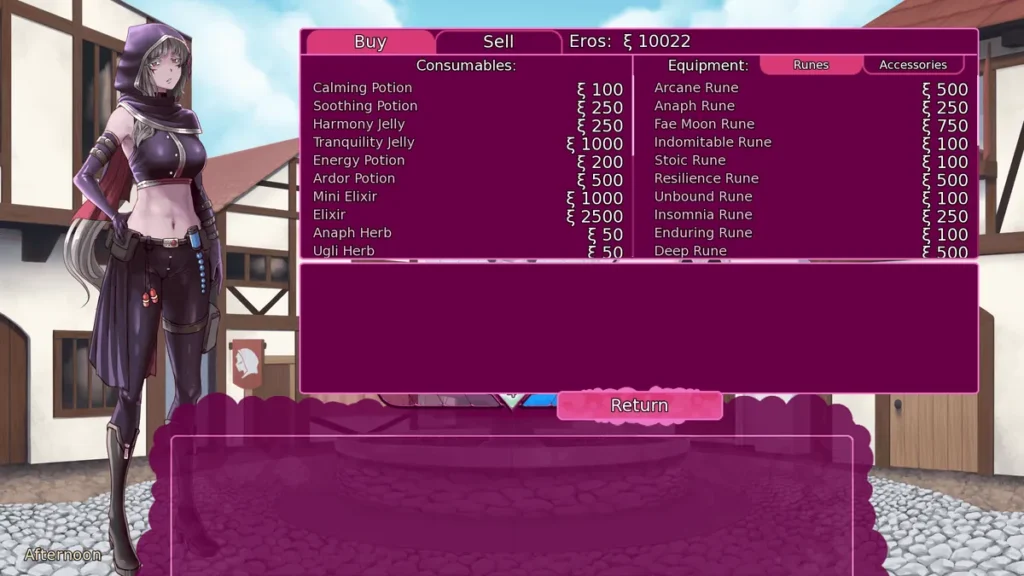
Now, let’s talk about the engine that drives your entire adventure: resource management strategy. In Monster Girl Dreams, you’re not just a wandering hero; you’re someone with bills to pay. The infamous debt system is your primary motivator and timer. You have a weekly repayment to meet, and failing to do so doesn’t just lead to a game over—it leads to specific, often harsh, endings that reflect your financial failure.
This makes gold your most critical resource. Here’s where the Monster Girl Dreams progression guide aspect becomes practical. You’ll earn gold primarily through:
* Guild Quests: The backbone of your income. These range from simple fetch quests to complex monster hunts.
* Exploring & Looting: The world is littered with harvestable materials and hidden treasure.
* Character Events: Sometimes, helping someone out leads to a tangible reward.
Spending, however, is where strategy comes in. You’re constantly balancing between:
1. Essential Expenses: Your weekly debt payment, basic healing items, and tool repairs.
2. Progression Investments: Better equipment, skill training, and unlocking fast travel points.
3. Relationship Investments: Gifts, meals, or helping characters with their problems (which may cost gold).
My recommended strategy? Follow the 50/30/20 rule early on. Allocate 50% of your weekly earnings to debt and essentials, 30% to progression (always upgrade your main weapon first!), and 20% to relationships or savings. This balanced approach prevents you from being caught off-guard by a sudden expensive repair or a unique gift opportunity for a character you like. 💡
The Guild System is your central hub for structured progression. Taking on quests isn’t just for cash; it’s how you unlock new regions, gain reputation (which leads to better, higher-paying jobs), and often trigger meetings with new characters. Always check the guild board before heading out to an area—you can often complete multiple objectives in one trip, maximizing your efficiency. This is a core part of the Monster Girl Dreams gameplay loop: plan your trip, tackle combat encounters strategically, complete quests, manage your spoils, and nurture your relationships back in town.
Ultimately, all these systems—combat, trust, and resources—are beautifully interconnected. Your resource management strategy funds your gear for better turn-based combat mechanics. Success in combat allows you to take on lucrative guild quests. The gold and reputation from those quests let you engage with the character trust meter system. And those deepened relationships can unlock quests that give you powerful gear or new abilities, making combat easier. It’s a brilliant, satisfying circle of play.
Your Quick-Start Progression Checklist ✅
Feeling ready to dive in? Use this step-by-step checklist to apply everything we’ve discussed and build a strong foundation for your adventure.
- Complete the Introductory Tutorial: Don’t skip it! It covers the absolute basics of movement, conversation, and your first combat.
- Meet Your First Debt Deadline: Focus on simple guild quests like gathering or easy hunts to secure your first payment. This is non-negotiable.
- Invest in One Core Weapon Upgrade: Use your first major earnings to boost your attack power. It makes every subsequent quest faster and safer.
- “Assess” Every New Enemy: In your next few battles, use the Assess skill to learn resistances and attack patterns. Start a mental (or actual!) log.
- Choose One Character to Befriend: Pick one character who interests you and make a conscious effort in every interaction. Be consistent with your choices.
- Plan a Multi-Quest Expedition: Before leaving town, accept all guild quests for the region you’re visiting to maximize your efficiency and gold per trip.
- Establish Your Savings Buffer: After your second debt payment, try to save enough gold to cover at least one full week’s repayment as a safety net.
- Experiment in a Low-Stakes Fight: Try a battle using only defensive and status-effect skills to understand how Energy and Focus recovery works.
- Check In With Your Chosen Character: After a major story beat or quest, go talk to them. They often have new, trust-building dialogue.
- Review Your Long-Term Goals: After securing your financial footing, ask yourself: Do I want to focus on a specific romance, master a combat style, or explore a certain faction? Let that guide your mid-game choices.
Stick to this plan, and you’ll move from a struggling debtor to a confident adventurer, weaving through the rich tapestry of Monster Girl Dreams gameplay with purpose. The world is waiting for your unique story to unfold.
Monster Girl Dreams offers a rich gaming experience that rewards exploration and strategic decision-making. By understanding the core mechanics, managing resources effectively, and thoughtfully developing character relationships, you can unlock the full breadth of content the game offers. Whether you’re pursuing specific endings or aiming to experience all available character interactions, the systems work together to create meaningful choices that shape your playthrough. The game’s depth comes from how these elements interconnect—your early decisions ripple through the entire experience, making each playthrough unique. Take time to experiment with different approaches, engage with the community for additional insights, and enjoy discovering all the nuances this indie title has to offer.