Play After the Inferno
After the Inferno Screenshots
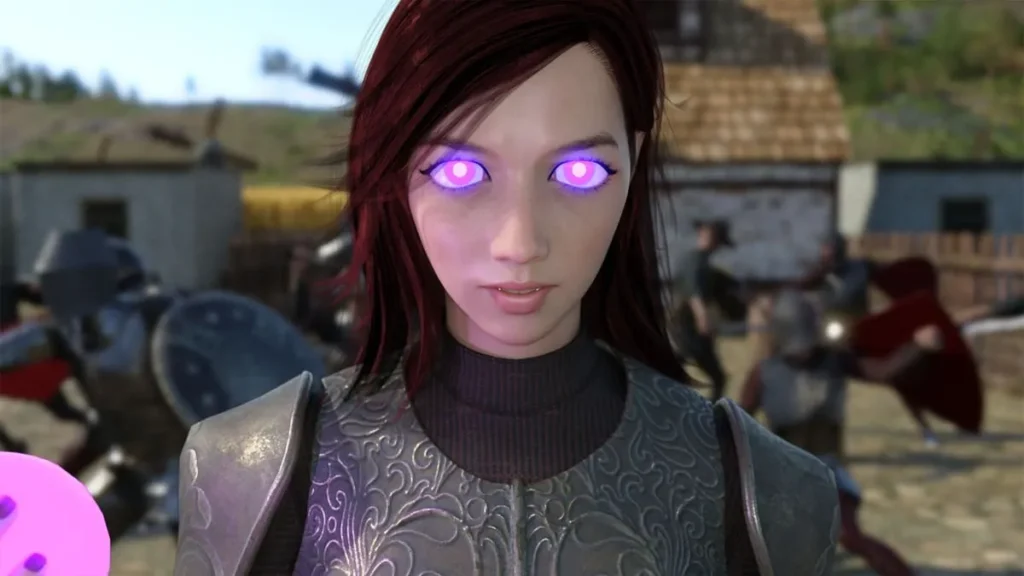
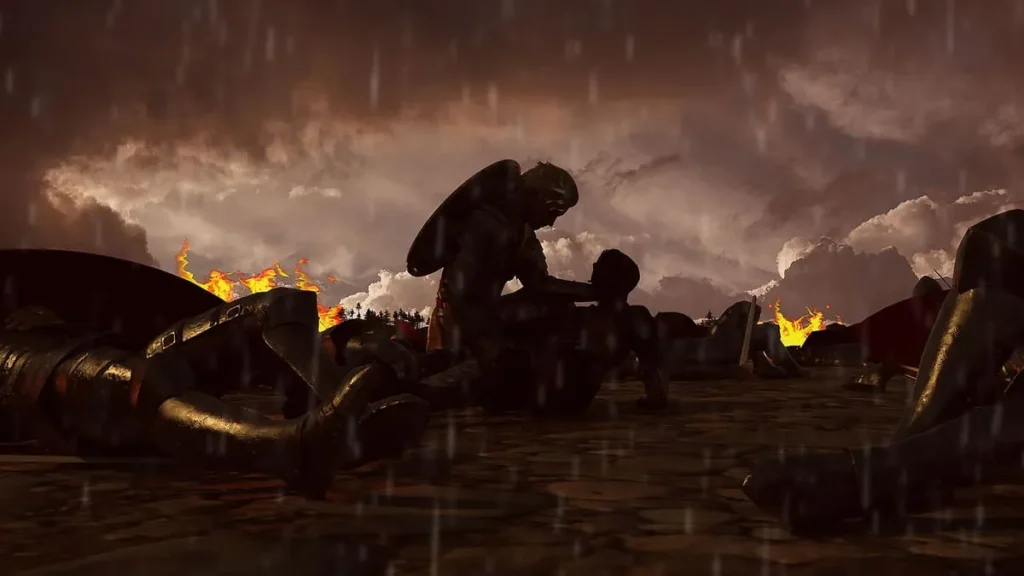

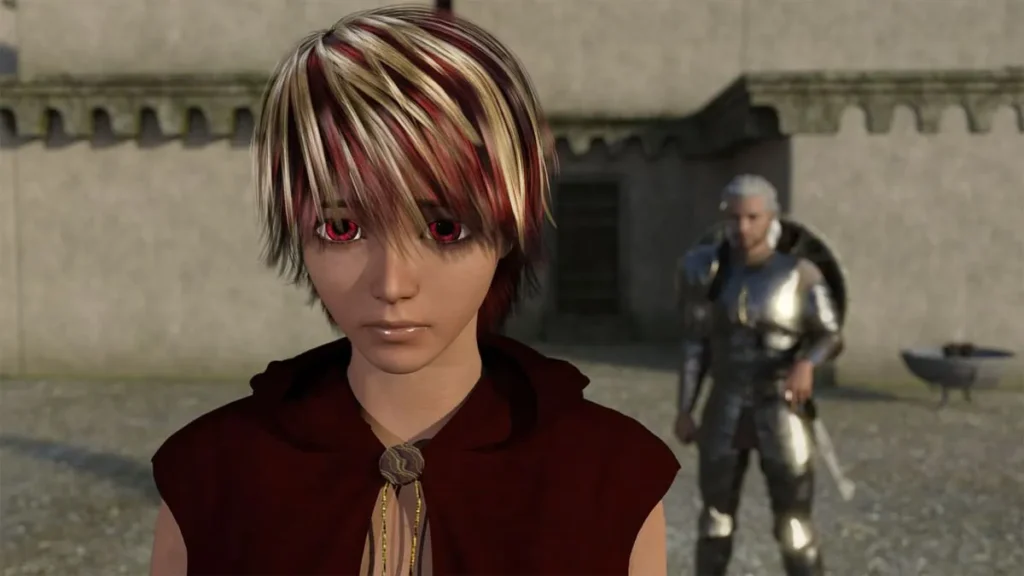
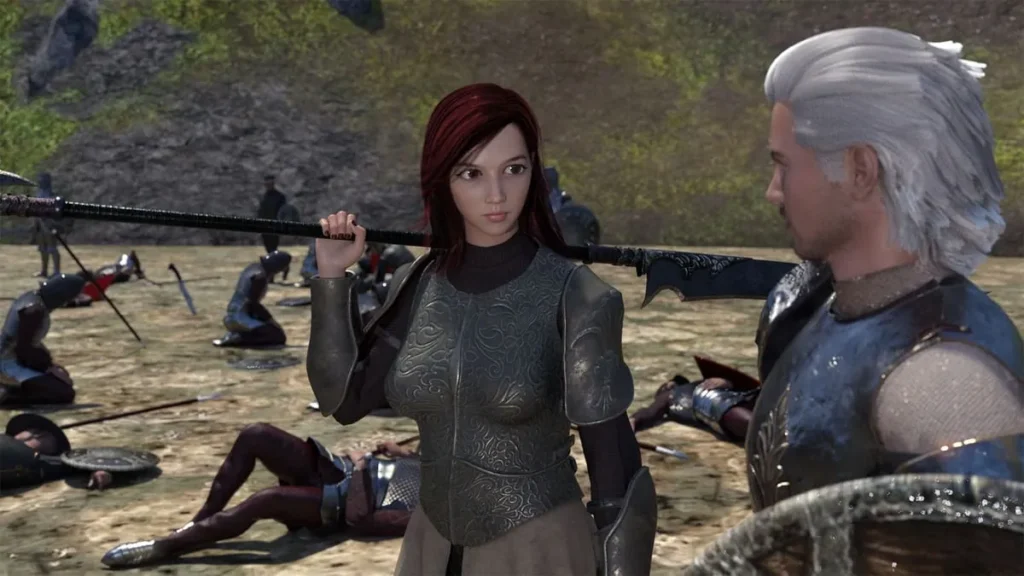


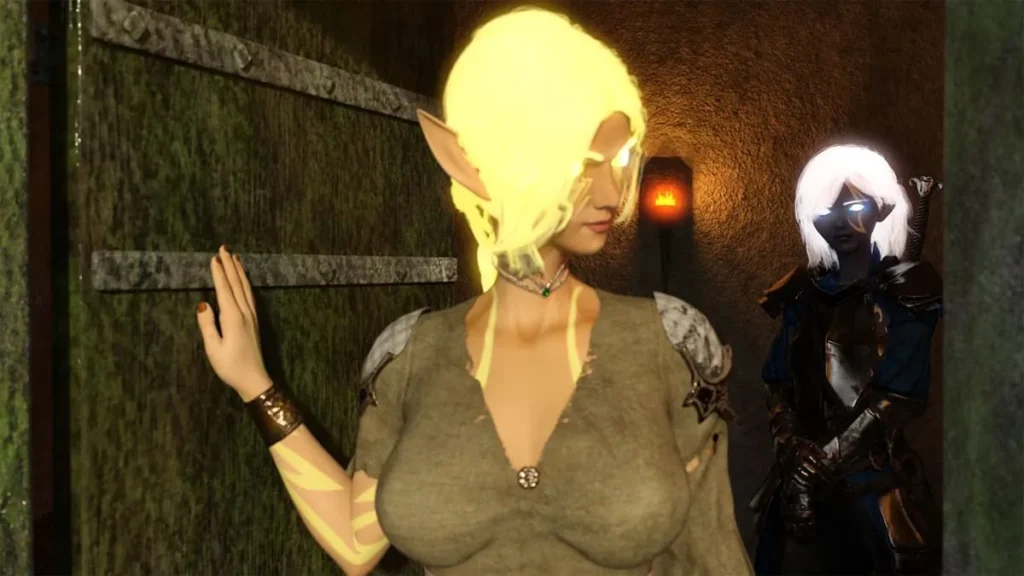
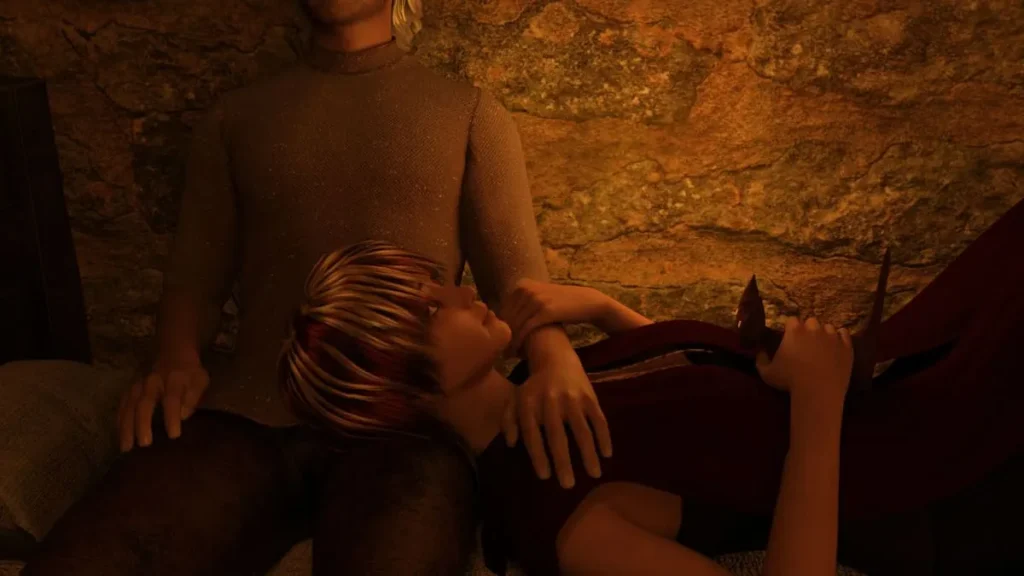

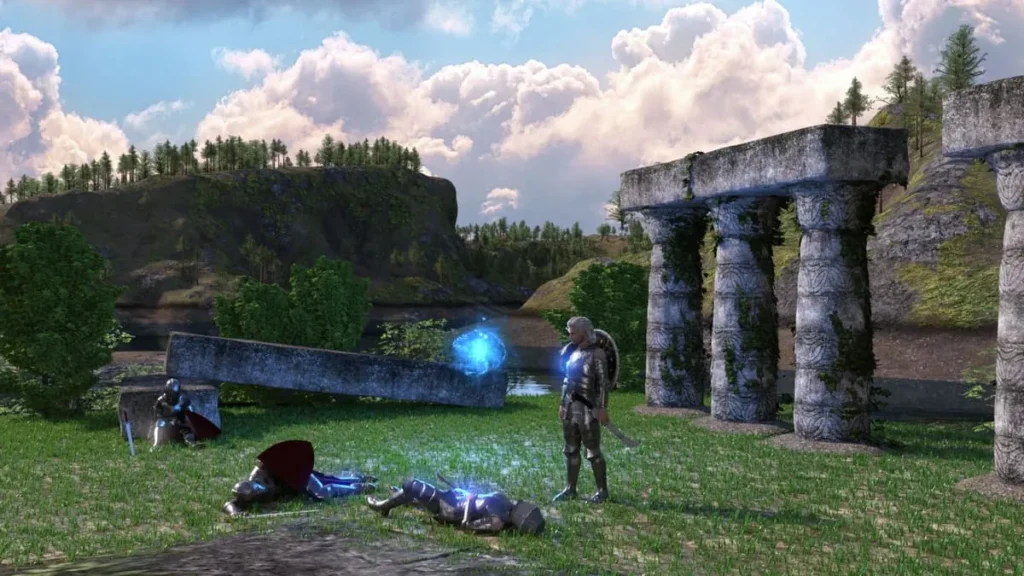
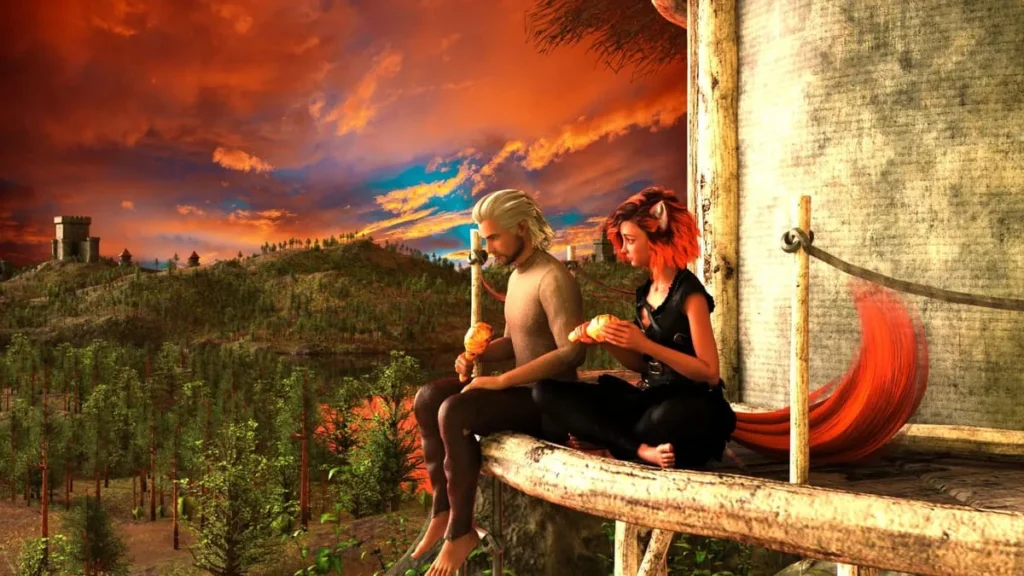
After the Inferno review
Exploring Story, Gameplay, and Unique Features of After the Inferno
After the Inferno is a distinctive visual novel game that combines a rich narrative with animated intimate scenes, appealing to players who enjoy story-driven experiences with mature content. This article delves into the game’s storyline, gameplay mechanics, and the balance it strikes between narrative depth and adult-themed visuals. Whether you’re curious about the plot or how the game handles player choices and relationships, this guide offers a comprehensive overview to help you understand what makes After the Inferno stand out.
Story and Narrative Depth in After the Inferno
Stepping into the world of After the Inferno feels less like starting a game and more like opening a deeply personal journal. You’re not just observing a story; you’re living inside the mind of a man grappling with the literal and figurative ashes of his past life. This isn’t a tale of epic fantasy battles or cosmic horror, but a grounded, often raw exploration of human connection, regret, and the difficult work of rebuilding. The After the Inferno narrative is its heartbeat, and every choice you make sends a new pulse through it.
As someone who’s played my fair share of visual novels, I was immediately struck by the game’s commitment to visual novel story depth. It doesn’t use its mature themes as a cheap hook but as integral threads in a larger tapestry of character development. Let’s pull back the curtain and see what makes this story tick. 🔍
What is the core storyline of After the Inferno?
The After the Inferno plot overview begins with a simple, devastating premise: you’ve lost everything. A catastrophic fire has consumed your home, your possessions, and the life you knew. You find yourself starting from zero, moving into a shared apartment and navigating a world that suddenly feels alien. The core After the Inferno story isn’t about the fire itself, but about the aftermath—the slow, often painful process of healing and finding new purpose.
You play as a young man thrust back into the basics of existence: finding a job, managing finances, and, most importantly, rebuilding social connections. The narrative cleverly uses this “blank slate” scenario to make every interaction feel significant. Will you reconnect with old friends, like the steadfast Leo or the complex Katherine? Will you forge new bonds with your roommates or colleagues? The story is structured around these evolving relationships, each one offering a different path to personal recovery.
What truly elevates the After the Inferno narrative is its lore and attention to mundane detail. The game builds a believable world with its own history, social dynamics, and even fictional brands. This depth makes your protagonist’s journey feel anchored in reality. His struggles with motivation, his moments of loneliness, and his small victories are rendered with an authenticity that’s surprisingly affecting. You’re not guiding a superhero; you’re guiding a person, and that makes his growth genuinely rewarding. 🌱
How does the narrative perspective shape the experience?
After the Inferno employs a first-person, internal monologue style that is the cornerstone of its gameplay narrative perspective. Every description, every reaction, and every silent thought is filtered directly through the protagonist’s consciousness. This isn’t a disembodied narrator; it’s you thinking these things.
This perspective is a masterclass in immersion. When you meet a character, you don’t just see a description of them; you experience the protagonist’s immediate, unfiltered impression. Is he nervous? Attracted? Annoyed? Reminded of someone else? You get that info instantly, coloring your own perception. This creates a powerful, sometimes uncomfortable, intimacy. You are privy to his doubts, his judgments, and his desires, making the line between player and character beautifully blurry.
I remember one particular scene early on, where the protagonist is just sitting in his new, empty room. The internal monologue didn’t spell out “I am sad.” Instead, it focused on the silence, the unfamiliar texture of the wall, the weight of having nothing to do. That’s the power of this perspective—it shows instead of tells, making you feel the emptiness rather than just being told it exists. This deep narrative dive is what defines the gameplay narrative perspective and makes every interaction feel personal and consequential. 💭
To understand how this perspective interacts with the plot, let’s look at how key story moments are shaped by your role as the protagonist:
| Story Arc Focus | Protagonist’s Internal Journey | How Player Choice Manifests |
|---|---|---|
| Rebuilding a Career | Overcoming apathy and self-doubt to find professional purpose. | Choosing how to spend time and energy: skill development vs. socializing vs. rest. |
| Reconnecting with Katherine | Navigating complex past history, guilt, and unresolved feelings. | Deciding between honesty and evasion, confrontation or gentle pacing. |
| Bonding with Leo | Learning to accept support and re-establish male friendship and trust. | Opting into “bro” activities, sharing personal struggles, or keeping walls up. |
| Exploring New Romances | Opening up to vulnerability and the risk of new love after loss. | Pursuing specific characters through consistent attention and key dialogue choices. |
What role do player choices play in the story progression?
This is where After the Inferno truly shines. The player choices in After the Inferno are not about picking a “good” or “evil” path. They are subtle, nuanced decisions that reflect how a traumatized person might slowly piece themselves back together. Every dialogue option, time management decision, and financial choice feeds into a hidden relationship and stat system that dictates the story’s branching paths.
Think of it less as steering a car and more as tending a garden. Your choices water specific seeds (relationships, skills, personal traits) while others lie dormant. Choosing to spend an evening studying for a certification might boost your intelligence stat and open up new job opportunities later. Choosing to go drinking with Leo might strengthen your friendship stat, unlocking scenes where he opens up to you or offers crucial support during a low moment. The After the Inferno story branches organically based on who you’ve become close to and what skills you’ve honed.
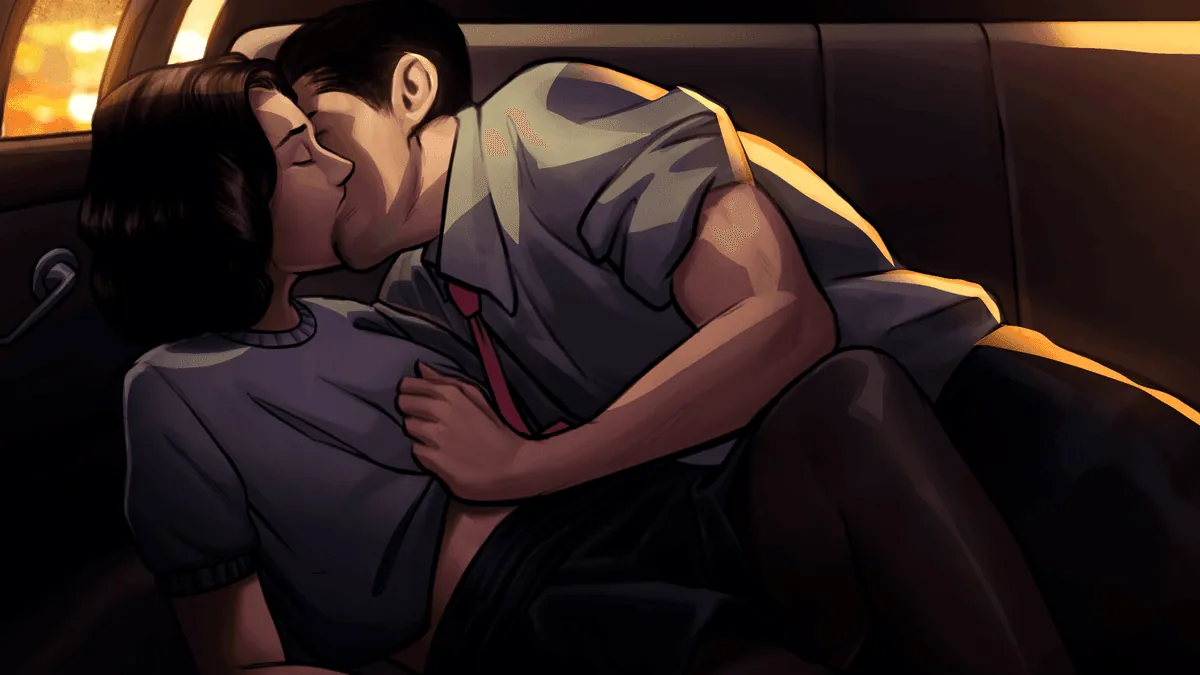
Crucially, this extends to the game’s mature content. The optional scenes in After the Inferno are a perfect example of choice-driven storytelling. These scenes are not random rewards; they are narrative culminations. They are gated behind specific relationship levels, choices, and often require you to have taken certain story branches. They feel earned, not gratuitous, because they represent a peak of intimacy and trust with another character. You can complete a rich, satisfying storyline without ever encountering them, which reinforces their nature as optional scenes in After the Inferno that exist for deeper character exploration.
My first playthrough was a mess—in the best way! 🤪 I followed my gut, often choosing introverted or uncertain responses. I ended up on a path that was quiet, somewhat lonely, but focused on self-improvement. My second time, I consciously pushed my comfort zone, said “yes” to every social event, and pursued a romantic interest aggressively. The story felt completely different—more chaotic, funnier, but also fraught with different emotional challenges. This incredible variance is the direct result of meaningful player choices in After the Inferno.
Ultimately, the After the Inferno narrative succeeds because it respects your intelligence and your agency. It presents a broken world and asks, “How will you fix it?” The answer is never simple, and the journey is paved with small, authentic decisions that build a story uniquely yours. Whether you seek deep romance, lasting friendship, or solitary redemption, your choices write that story one careful, considered step at a time. ✍️
After the Inferno offers a compelling blend of narrative depth and mature animated content, providing players with a unique visual novel experience. Its story-driven approach, combined with meaningful player choices and optional intimate scenes, creates an engaging gameplay dynamic that appeals to fans of the genre. Whether you prioritize story or visual elements, After the Inferno delivers a memorable journey worth exploring. Dive in and discover the layers of this intriguing game for yourself.