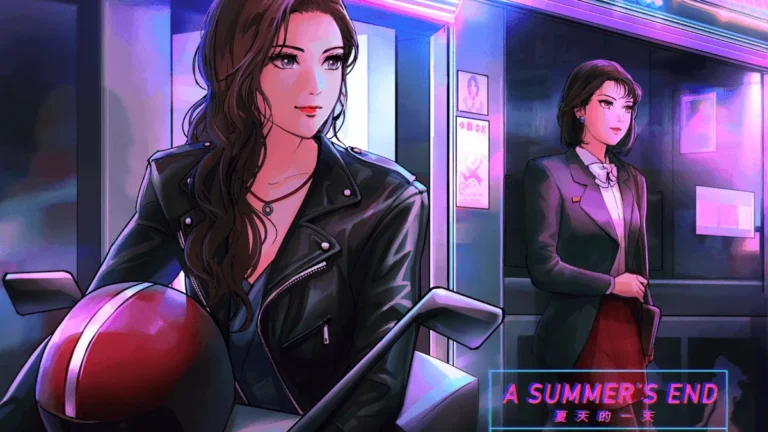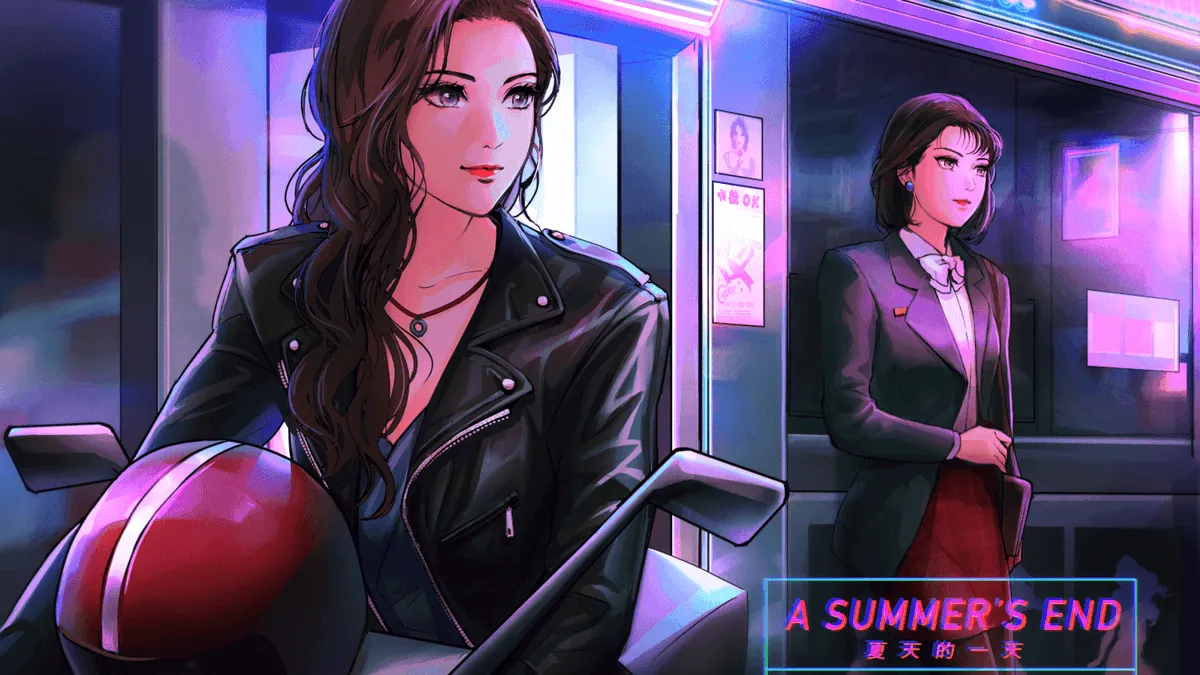
A Summer’s End – Hong Kong, 1986
Play A Summer’s End – Hong Kong, 1986
A Summer’s End – Hong Kong, 1986 Screenshots







A Summer’s End – Hong Kong, 1986 review
Explore the heartfelt romance and 80s vibes in this captivating story
Imagine stumbling upon a chance encounter that sparks a deep connection amid the neon lights and bustling streets of 1986 Hong Kong. That’s the magic of A Summer’s End – Hong Kong, 1986, a visual novel that weaves a tender romance between Michelle and Sam. As a fan who first played it late one night, I was hooked by its lush art, vaporwave tunes, and emotional depth exploring love, identity, and family in a changing world. This guide dives into its story, choices, and intimate moments to help you fully immerse in this retro-inspired gem.
What Makes A Summer’s End Hong Kong 1986 Unforgettable?
I still remember the first time I booted up A Summer’s End – Hong Kong, 1986. 🎮 I was expecting a nice story, maybe some pretty art. What I wasn’t prepared for was the wave of pure, nostalgic atmosphere that hit me—the synth music, the soft glow of neon in the rain, and two characters whose quiet, hesitant conversations felt more real than any blockbuster drama. It wasn’t just playing a game; it felt like uncovering a hidden memory. This is the core magic of this visual novel romance. It doesn’t shout its emotions; it whispers them, inviting you to lean in close.
So, what is it about this experience that sticks with you long after the credits roll? It’s the beautiful alchemy of its parts: the deeply relatable journey of Michelle and Sam, a setting so vivid you can almost feel the humid summer air, and a story that handles tender themes with grace and honesty. Let’s explore what makes this game truly unforgettable.
Who Are Michelle and Sam and Their Journey? 💕
At the heart of this captivating story is the Michelle and Sam story. Michelle is a young office worker, disciplined and somewhat reserved, navigating the expectations of her traditional family. Sam is a free-spirited artist, more openly expressive but guarding her own vulnerabilities. Their visual novel romance begins not with a grand meet-cute, but with a simple, slightly awkward chance encounter at a video store. This grounded start is key—it feels real.
Their bond evolves through a series of summer days in 1986 Hong Kong. You’ll share moments of quiet understanding over tea, hesitant confessions, and the electric tension of growing attraction. The writing masterfully captures the subtle dance of a new relationship, especially one where both individuals are exploring feelings they may not have full language for. Michelle’s internal conflict—between her ingrained sense of duty and her awakening heart—is portrayed with immense sensitivity. Sam, meanwhile, becomes her anchor to a more authentic self.
Tip for players: Pay close attention to the dialogue! The conversations often use indirectness and subtext, mirroring real Cantonese conversational styles. A character might talk about the weather when they really want to talk about their feelings. Learning to “read between the lines” is part of the immersive joy.
Their journey is the soul of the game. You are not just watching a queer love story Hong Kong unfold; you are actively shaping its intimacy through your choices, guiding Michelle’s responses and deepening (or potentially straining) their connection. This leads us to one of the game’s most discussed features: its two endings visual novel structure.
Your key decisions throughout the story build a hidden “closeness” score with Sam. This determines which finale you reach.
| Ending | Outcome | Key Choice Philosophy | Emotional Tone | Unlock Requirements |
|---|---|---|---|---|
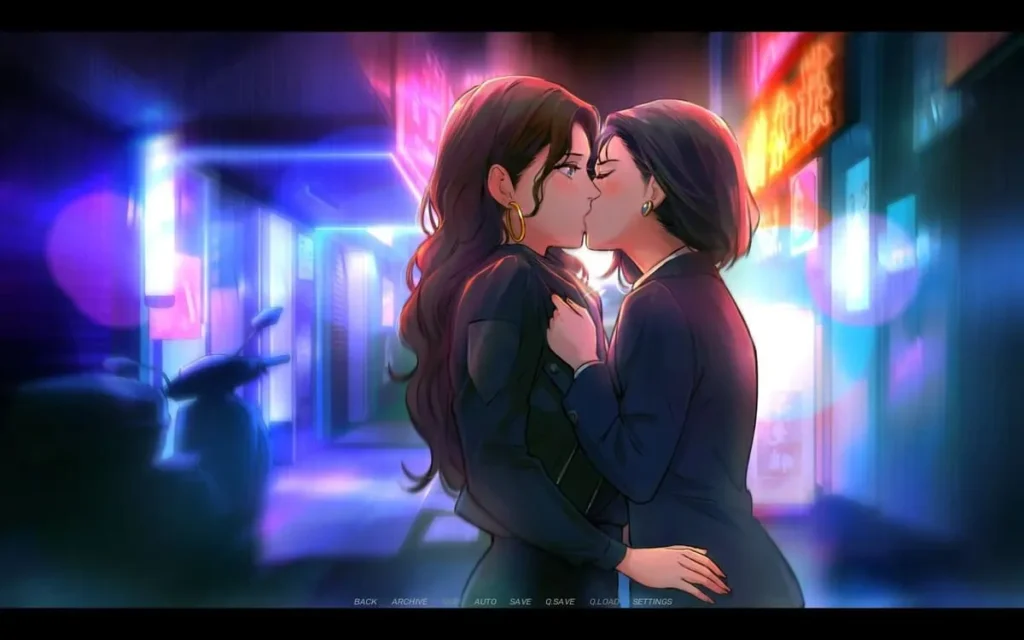
| The Good Ending (Rain Kiss) | Michelle and Sam commit to their future together, overcoming uncertainty. | Choose open, brave, and emotionally vulnerable responses. Prioritize Sam and your genuine feelings. | Hopeful, romantic, cathartic. A beautiful payoff for nurturing their bond. | High “closeness” score. Requires consistently choosing dialogue and actions that strengthen your connection with Sam. |
| The Bad Ending (Separation) | Michelle succumbs to pressure and fear, leading to a painful parting. | Choose distant, duty-bound, or avoidant responses. Yield to family and social pressures. | Melancholic, poignant, realistic. Highlights the cost of inaction and fear. | Low “closeness” score. Results from hesitant or closed-off choices that create distance. |
The existence of these two endings isn’t just a gameplay mechanic; it reinforces the story’s central theme: love requires courage and active choice. Replaying to see both outcomes is highly recommended, as each adds depth to your understanding of the characters and their world.
Why the 1986 Hong Kong Setting Captivates Players? 🌆🎶
The 1986 Hong Kong setting is far more than a backdrop; it’s a central character. Developers Oracle & Bone poured their hearts into recreating a specific time and place with palpable love and accuracy. This isn’t a generic “Asian city”—it’s a love letter to a Hong Kong poised between its colonial past and an uncertain future, buzzing with a unique cultural energy.
You’ll explore:
* The bustling, neon-drenched streets of Mong Kok, alive with the hum of traffic and night markets.
* The tranquil, junk-dotted seascapes of Sai Kung, offering moments of peace and reflection.
* Retro interiors like Michelle’s family apartment and stylish bars that feel ripped from a Wong Kar-wai film.
The aesthetic is a glorious fusion of influences the developers cite directly: the moody, rain-slicked visuals of 80s Hong Kong cinema, the detailed urban landscapes of retro anime, and the smooth, dreamy sounds of city pop. The soundtrack is a masterpiece all on its own, perfectly capturing the era’s vibe and the story’s emotional beats. 🎵
This meticulous world-building does more than look pretty. It shapes the story’s conflict. The social pressures of a conservative family, the specific cultural landscape of 1986, and the city’s own transitional identity all press in on Michelle and Sam. The setting makes their personal struggle feel larger and more authentic, grounding this queer love story Hong Kong in a real historical and cultural context.
How Does the Story Tackle Love and Identity? ✨
Many stories about marginalized identities fall into the trap of spectacle or tragedy. A Summer’s End – Hong Kong, 1986 defiantly avoids this. Its power lies in its quiet normalcy and heartfelt sincerity. This is, first and foremost, a heartfelt romance about two people finding each other.
The game thoughtfully explores:
* Queer Love & Self-Discovery: The narrative focuses on the personal, intimate experience of falling in love. Michelle’s journey is one of gradual self-acceptance, not a dramatic “coming out” saga. It’s about her finding the words for her feelings for the first time.
* Family and Cultural Pressure: The weight of familial expectation is a constant, tangible force. It’s not portrayed as villainous, but as a complex reality that Michelle must reconcile with her own happiness.
* Cultural Clash & Generation Gaps: The tension isn’t just about sexuality, but also about different visions for life—traditional stability vs. artistic freedom, filial duty vs. personal desire.
The game’s greatest strength is its restraint. It trusts the audience to understand subtle glances and quiet moments. It presents queer love as simply love—beautiful, complicated, and worth fighting for. This respectful, nuanced approach is what makes the Michelle and Sam story so profoundly moving. It’s a story that feels lived-in, not performed.
So, what is A Summer’s End game at its core? It’s an immersive, emotional portal to a specific time and place. It’s a masterclass in character-driven storytelling and atmospheric design. It’s proof that a visual novel romance can carry as much weight and emotional resonance as any other art form. Whether you’re drawn to the rich 1986 Hong Kong setting, the tender queer love story Hong Kong, or simply a beautifully told tale of human connection, this game offers an experience that is, without question, unforgettable.
Your A Summer’s End – Hong Kong, 1986 Quick FAQ
Is this game suitable for fans of romance stories?
Absolutely! 💘 It’s one of the most genuine and well-written romance stories in gaming. If you love character development, emotional build-up, and meaningful choices that impact relationships, this is a must-play.
How long does it take to complete?
A single playthrough takes about 4-6 hours. To see both of the two endings visual novel and all bonus scenes, plan for 8-10 hours of total playtime. It’s a perfect weekend experience!
Does family pressure play a big role in the story?
Yes, and in a very authentic way. 🏡 Michelle’s relationship with her mother and the ghost of her father’s expectations are central to her internal conflict. It’s handled with complexity, showing love and pressure as intertwined forces.
A Summer’s End – Hong Kong, 1986 stands out as a beautifully crafted visual novel that blends stunning 80s aesthetics, emotional storytelling, and meaningful romance between Michelle and Sam. From its vibrant Hong Kong backdrops to the intimate character moments and optional deeper scenes, it offers a rewarding experience for anyone craving authentic queer narratives. I still replay it for those rainy kiss vibes and vaporwave beats. Dive in today, grab the adult patch if you want extra warmth, and let this summer’s tale touch your heart—your next favorite story awaits.