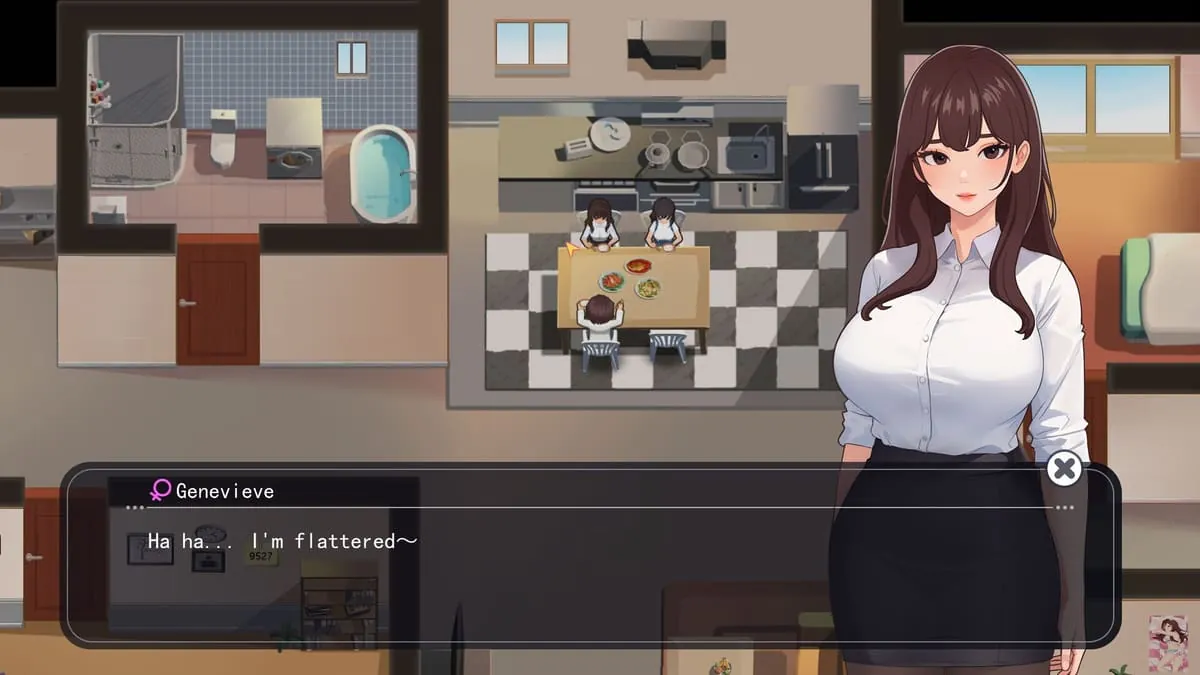
神的不在場SEX Screenshots






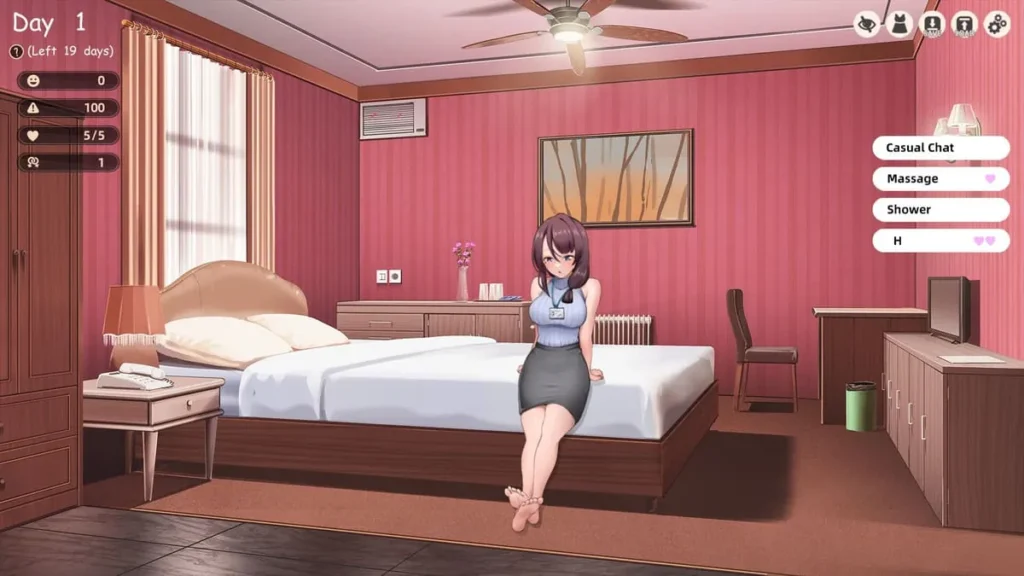
神的不在場SEX review
Explore the narrative depth and strategic gameplay of this acclaimed indie visual novel
神的不在場SEX stands out as a distinctive indie visual novel that blends narrative complexity with strategic gameplay mechanics. This Taiwanese-developed title has garnered attention for its thoughtful approach to storytelling, combining pure love elements with morally ambiguous themes. Players navigate a 19-day scenario where they must balance emotional connection with ethical considerations, all while managing limited daily action points. The game’s voice acting, featuring mixed Mandarin and Taiwanese dialogue, adds authenticity to character interactions. Whether you’re a visual novel enthusiast or curious about narrative-driven gaming experiences, understanding the game’s core mechanics and story structure reveals why it has resonated with players seeking meaningful interactive fiction.
Understanding the Core Story and Setting
Ever been at a reunion, a class gathering maybe, and locked eyes with someone you used to know? That heart-jumping, stomach-dropping moment of “what if” that floods back after years apart? Now, imagine that happening not in a cozy café, but in your stark, fluorescent-lit office, and the person is not just a nostalgic crush—she’s your new married colleague. Welcome to the breathtakingly delicate and emotionally charged premise of 神的不在場SEX, a Taiwanese visual novel that masterfully transforms a simple “what if” into a profound exploration of the human heart. 😮💨
This isn’t your typical love story. It’s a narrative experiment conducted by dispassionate gods, a pressure cooker of emotion where societal rules are suspended, and raw feelings are the only currency. If you’re here to understand the soul of this acclaimed indie title, you’re in the right place. Let’s peel back the layers of its visual novel narrative and discover why its story resonates so deeply.
The Premise: Reunion and Divine Intervention
The setup of 神的不在場SEX story is deceptively simple, yet instantly gripping. You play as the male protagonist, navigating the mundane realities of office life, when a new face from the past joins the team: Li Ruoli. She was your college crush, the one who got away, the embodiment of a youthful, idealized love. The spark of recognition is mutual, filled with a warm, nostalgic glow. ✨
But reality comes crashing in with the quiet gleam of a wedding ring. Ruoli is married. That door, you think, is firmly closed. This is where most stories would end, or become a tale of quiet longing and professional distance. Not here.
The gods—capricious, bored, or perhaps morbidly curious—intervene. They transport you and Ruoli to a mysterious, sterile white room. The rule is absurd, cruel, and absolute: you cannot leave until you have been physically intimate. There’s no violence, no coercion from a mustache-twirling villain—just an impossible condition set by unseen forces. The prison isn’t made of bars; it’s crafted from a single, outrageous demand.
This divine setup is the engine of the entire interactive fiction plot. It removes all external excuses. There’s no boss to report to, no spouses to come home to, no social judgments to fear—at least, not within those four walls. What’s left are two people, a shared history, unresolved feelings, and a ticking clock. The game structures this intense experience within a 19-day timeframe, creating a relentless narrative arc. Each day becomes a chapter, a session in this forced therapy from the gods, where conversations peel back layers of their past, present desires, and future fears. It’s a masterclass in using constraint to fuel emotional narrative game design, forcing every interaction to hold immense weight.
Character Development and Emotional Conflict
Where 神的不在場SEX truly shines is in its breathtaking character development. This isn’t a story about archetypes; it’s about painfully real people caught in an unreal situation. The indie game dedication to nuance is on full display here.
Li Ruoli is far more than a plot device or an object of desire. She is a complex tapestry of duty, memory, and awakening emotion. Her internal conflict is the central pillar of the story. On one hand, she carries the weight of her marital vows—a promise of loyalty and a life built with another person. On the other, she is confronted with a ghost from her past, a person who represents a road not taken, a version of love that feels pure and untainted by daily grind. Her struggle isn’t just about physical attraction; it’s about reconciling who she was with who she is, and confronting the quiet compromises of adult life. 😔
The protagonist, your avatar, is equally nuanced. His initial excitement at being trapped alone with his dream girl is quickly tempered by empathy, guilt, and moral concern. He’s not a predator; he’s a confused man who still cares for Ruoli. His journey is about navigating this twisted gift from the gods—wanting to connect, wanting to escape, but being terrified of causing real-world ruin. He must balance his own long-buried feelings with the responsibility he feels toward Ruoli’s well-being and her existing life.
This delicate dance is what makes the character development indie game credentials of this title so strong. Their relationship evolves through conversation—awkward, tender, furious, and vulnerable talks that span from silly college memories to profound fears about life’s meaning. The gods’ room becomes a confessional, and through their dialogue, they rebuild their connection from the ground up, making the central tension not just about the “rule,” but about whether this rekindled emotional bond is real or just a product of their bizarre circumstances.
To visualize this evolving emotional landscape, let’s break down their dynamic:
| Narrative Phase | Protagonist’s Emotional State | Li Ruoli’s Emotional State | Core Conflict Point |
|---|---|---|---|
| Initial Reunion (Office) | Nostalgic excitement, cautious hope | Friendly professionalism, guarded warmth | The rediscovery of connection vs. the reality of her marriage |
| Divine Imprisonment (Early Days) | Confused arousal, growing moral anxiety | Shock, denial, firm adherence to marital identity | The absurd external rule vs. internal moral codes |
| Conversational Intimacy (Mid-Game) | Deepening empathy, protective feelings, love | Walls crumbling, confronting dissatisfaction and past feelings | Emotional affair vs. physical loyalty; past love vs. present duty |
| The Choice & Climax | Resolute care, prioritizing her autonomy over desire | Ultimate internal turmoil, defining love on her own terms | Self-sacrifice vs. self-fulfillment; societal “sin” vs. personal truth |
Narrative Themes: Love, Betrayal, and Moral Ambiguity
At its heart, 神的不在場SEX is a powerful study in contrasts. It boldly places pure love storytelling on a direct collision course with themes often associated with betrayal, creating a space of profound moral ambiguity. This tension is the source of its unique narrative power. ❤️⚖️
The game asks difficult questions: Can a feeling be “pure” if the context is morally fraught? Is love defined solely by its adherence to social contracts, or can it exist as a transcendent truth outside of them? The gods, in their indifference, have created a laboratory to test these very ideas. The moral choices storytelling isn’t about picking dialogue options that are “good” or “evil.” It’s about steering the tone of conversations—pushing for closeness or offering space, expressing hurt or offering comfort. Each choice feels weighty because it impacts the emotional truth of the moment, not just a path to a different ending.
Consider this narrative scenario: It’s Day 12. The initial shock has worn off. You and Ruoli have shared stories of your lives apart—the small disappointments, the quiet joys. She mentions, offhand, that her husband forgets her favorite tea. It’s not a complaint, just a fact. In this moment, you have a choice. You could use this to drive a wedge, to imply “I would remember.” Or, you could simply listen, acknowledge her feeling, and maybe share a similar, harmless memory of your own. The former exploits a vulnerability; the latter builds shared understanding. This is the game’s core tension in microcosm—the choice between manipulation and genuine connection, even within a manipulated scenario.
Furthermore, the game cleverly incorporates contemporary social commentary. The office setting isn’t just a backdrop; it represents the crushing weight of modern adult responsibility—the routines, the hierarchies, the slow erosion of passion. Ruoli’s marriage can be read not just as a personal bond, but as a symbol of the life paths we lock ourselves into. The gods’ room, then, becomes a fantasy of escape from all of it. This layer elevates the story from a personal drama to a commentary on the cages we build for ourselves, whether they be made of promises, career ladders, or societal expectations.
Despite its provocative English title, the experience is handled with a startling grace and pure-hearted approach. The intimacy, when it is approached, is treated as an extension of emotional vulnerability, not mere titillation. The ultimate question the 神的不在場SEX story poses isn’t really about sex at all. It’s about authenticity. Stripped of the world’s labels—colleague, husband, wife—who are these two people to each other? And if they find something real in that void, does it deserve to exist?
This is the genius of this Taiwanese visual novel. It uses a high-concept, almost outlandish premise to tell a painfully human story about memory, regret, and the terrifying, beautiful risk of being truly seen by another person. It proves that within the framework of an interactive fiction plot, the most compelling strategy isn’t about managing stats or solving puzzles—it’s about learning to listen, to empathize, and to navigate the fragile, messy terrain of the human heart. 🕊️
神的不在場SEX demonstrates that adult-oriented visual novels can deliver substantial narrative depth and engaging gameplay mechanics. The game successfully balances its provocative premise with genuine emotional storytelling, creating an experience that appeals to players seeking meaningful interactive fiction. Through its strategic action point system, dual stat mechanics, and branching narrative structure, the game rewards thoughtful decision-making and player investment in character relationships. The 19-day framework creates meaningful time pressure that enhances strategic planning, while the multiple endings system encourages replay and exploration of different narrative paths. The game’s voice acting and cultural specificity—featuring Mandarin and Taiwanese dialogue—add authenticity that resonates with players seeking localized storytelling. Whether you approach the game for its narrative complexity, strategic gameplay, or character development, 神的不在場SEX offers a compelling experience that challenges conventional expectations of the visual novel genre. For players interested in exploring how adult content can coexist with sophisticated storytelling and meaningful gameplay systems, this title represents a noteworthy entry in contemporary indie game development.